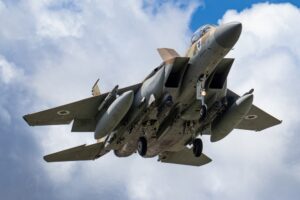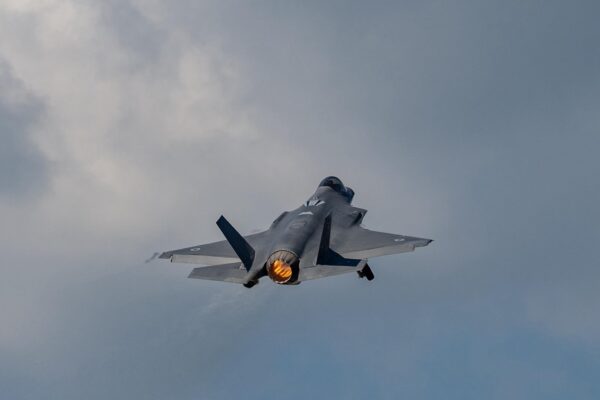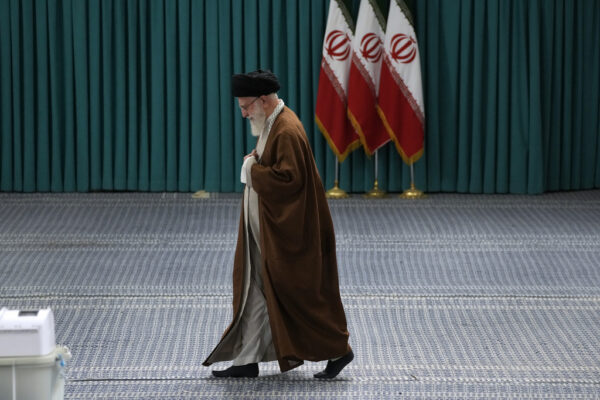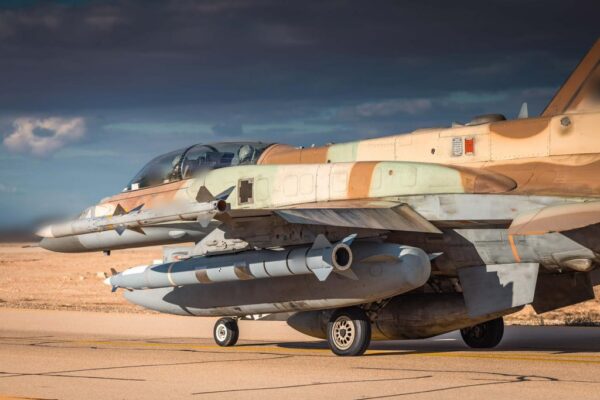

This includes Iranian air‑defense deployments, the movement of Revolutionary Guard missile brigades & covert activity around nuclear sites.
By Hezy Laing
Washington’s request for Israeli intelligence support ahead of a potential strike on Iran reflects how deeply intertwined the two countries’ security infrastructures have become.
According to officials familiar with the discussions, the United States has asked Israel for highly specific, real‑time intelligence that only Israeli platforms can reliably provide.
This includes detailed tracking of Iranian air‑defense deployments, the movement of Revolutionary Guard missile brigades, covert activity around nuclear sites such as Natanz, Fordow, and Isfahan, and the operational readiness of Iran’s long‑range strike units.
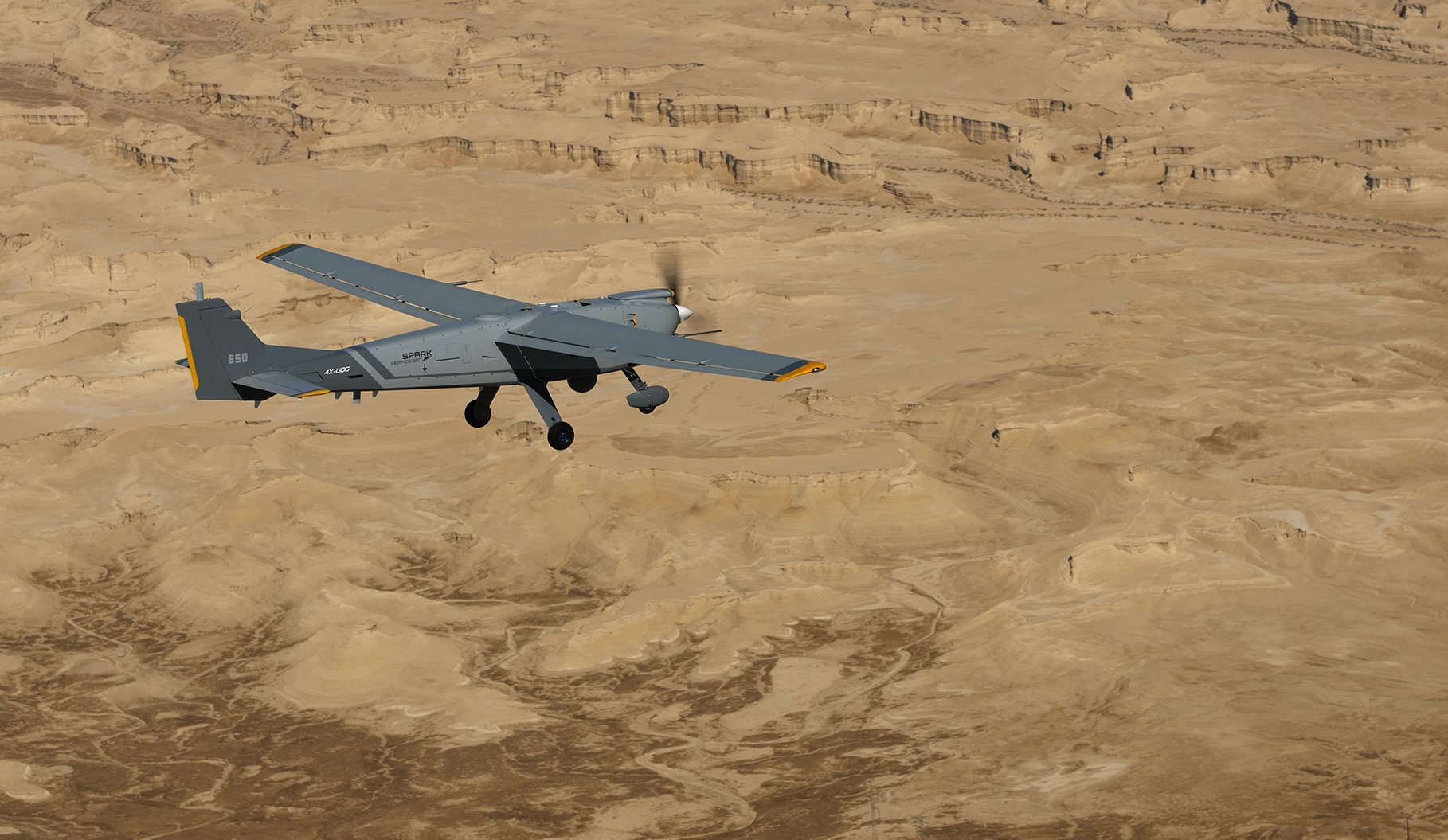
Israel obtains this information through a combination of human intelligence networks inside Iran, advanced signals‑intelligence capabilities, and long‑range surveillance drones capable of flying close to Iranian territory without detection.
The United States, despite its vast intelligence apparatus, lacks this level of granular access because Iran’s counterintelligence services have made it extremely difficult for American agencies to maintain deep human sources on the ground.
Israel, by contrast, has spent decades building clandestine infrastructure that allows it to penetrate Iranian military and nuclear facilities with unusual precision.
Shai Feldman, one of Israel’s leading security scholars, explains that “Israel has developed unique access points inside Iran that the United States simply does not have. When Washington prepares for a high‑risk operation, it needs the kind of granular intelligence that only Israel can deliver.”
Former Israeli National Security Council deputy Eran Lerman notes that “the U.S. has unmatched satellite coverage, but satellites cannot always see what human sources or close‑range Israeli platforms can. Iran has learned how to deceive overhead surveillance, and that’s where Israel’s assets become indispensable.”
Military analyst Yaakov Amidror adds a more cautionary perspective.
“The danger for Israel is that providing this level of intelligence draws it deeper into an American operation whose timing and scope it does not control. If Iran retaliates, Israel will be treated as a full participant whether it intended to be or not.”
Amidror warns that while cooperation strengthens deterrence, it also increases the likelihood that Israel becomes a primary target in any Iranian response.
The stakes are unmistakably high.
Washington needs Israel’s eyes and ears inside Iran, but for Jerusalem, the price of helping could be stepping onto the front line of a conflict it did not choose.