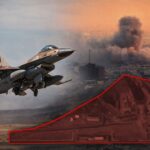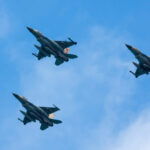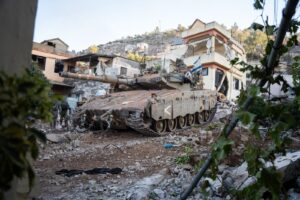

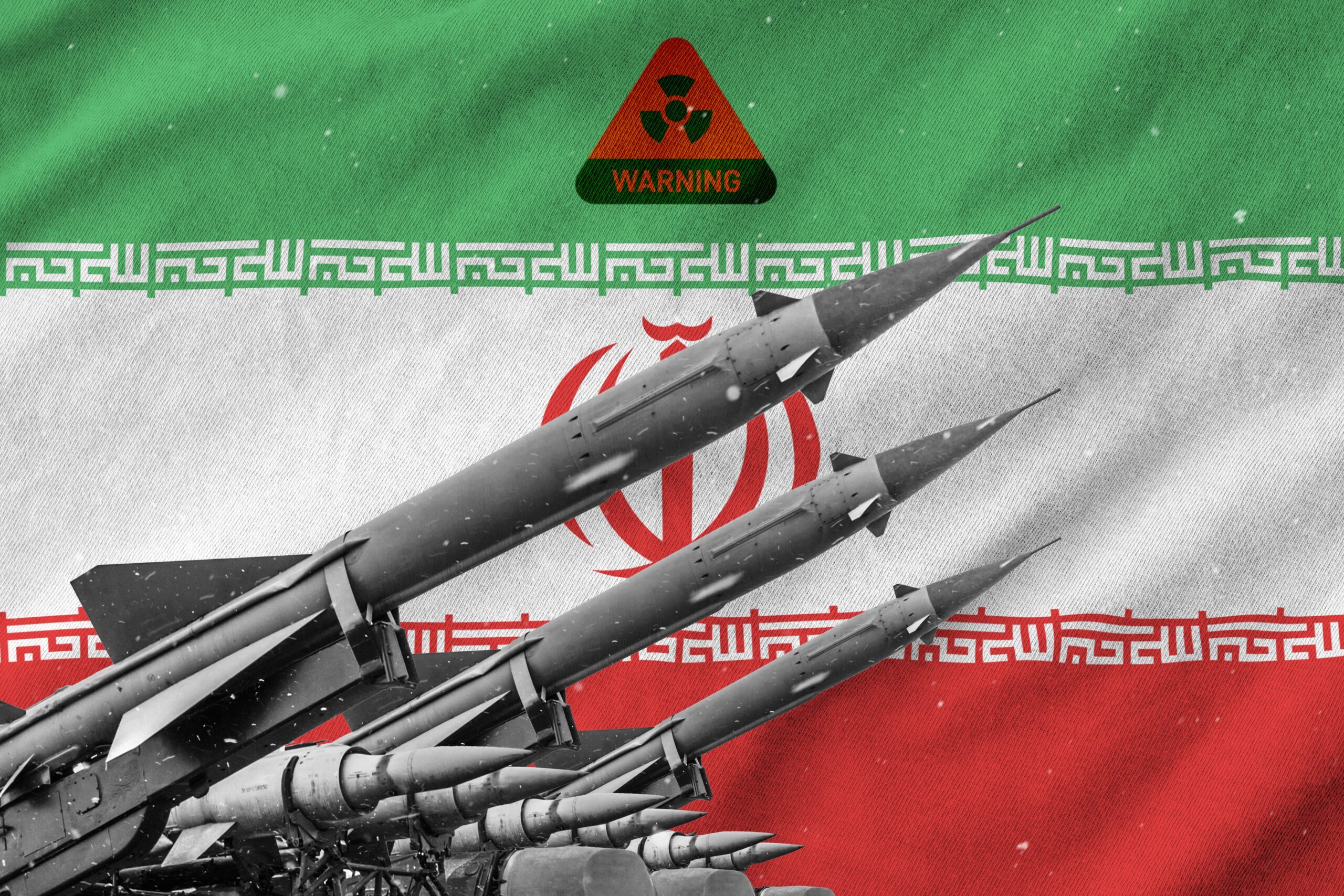
Iranian launch capacity has been substantially degraded through a combination of Israeli strikes and intelligence operations.
By Hezy Laing
The prospect of a new Iranian missile attack on Israel raises an unavoidable question: would it be more dangerous than the last war, or less?
The answer, paradoxically, is both reassuring and sobering.
While Iran remains a formidable missile power, Israel today is significantly better prepared than it was during the massive barrages of last year.
At the start of Operation Rising Lion in June 2025, Iran was operating at close to 100% of its missile launch capability.
That campaign ended with 33 fatalities in Israel, a tragic figure that nevertheless reflects the extraordinary effectiveness of Israel’s layered air-defense system under unprecedented pressure.
Since then, Iranian launch capacity has been substantially degraded through a combination of Israeli strikes, intelligence operations, and logistical disruption.
Iran can still launch missiles—but not with the same freedom, volume, or confidence it once had.
Israel’s air defenses remain the central pillar of deterrence and survival.
With interception rates approaching 90%, Israel operates what is likely the most effective air-defense network in the world.
Achieving such success against large-scale ballistic missile fire is almost unimaginable by global standards and has no real precedent.
Importantly, interception is only one layer of defense.
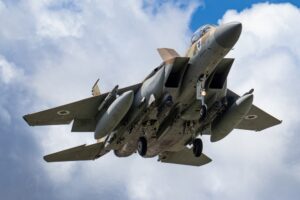
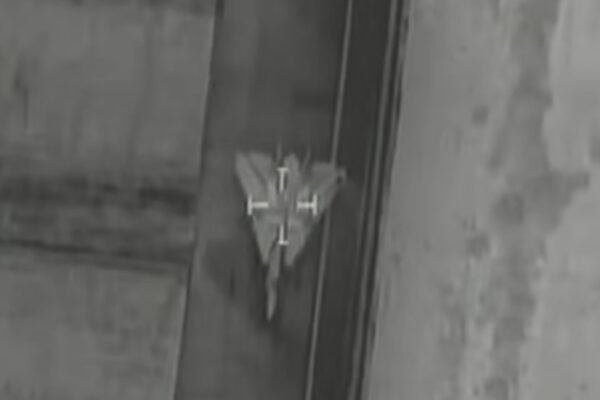
Many potential launches are neutralized before they occur, through proactive Israeli Air Force strikes that destroy missiles or launchers even before deployment.
Even when Iran does launch, it faces internal limitations.
Despite improvements since the attacks of April and October 2024, roughly 20–30% of Iranian ballistic missiles still fail in flight.
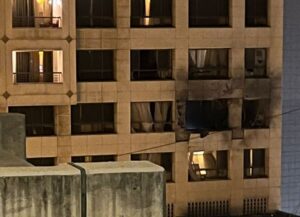
Those that penetrate Israel’s defenses encounter an additional, often overlooked layer of protection: fortified rooms and shelters.
These structures are so effective that even a missile with a half-ton warhead landing within ten meters may still be survivable for those properly sheltered.
Yet complacency would be a mistake.
Brig. Gen. (Res.) Zvika Haimovich, former commander of Israel’s Air Defense Array, warns that Iran remains a “missile superpower.”
With its proxy networks weakened, Tehran may rely more heavily on mass long-range launches.
Such attacks may target population centers from Haifa to Beersheba in an effort to disrupt daily life rather than strike purely strategic assets.
The key difference this time is preparedness—and partnership.
Israel has expanded interceptor stockpiles and refined its response to saturation attacks.
Crucially, it now operates alongside a more proactive United States administration.
Bottom line: Israel will again survive anything thrown at it – and may even come out strengthened.
Follow Home Front Command instructions, remain disciplined, and the likelihood of being harmed remains very low—even in the face of a serious Iranian threat.