
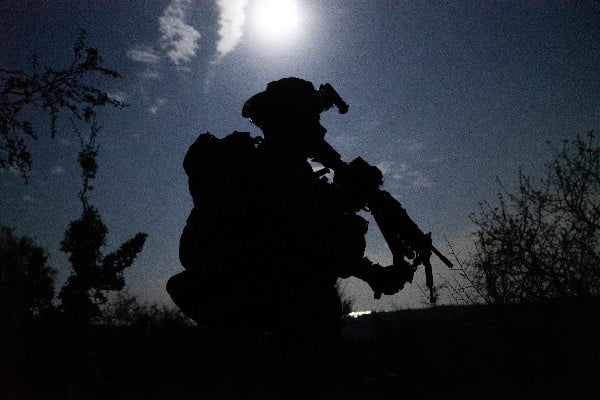
Military analysts indicate that the primary targets for these commando teams include the Fordow and Natanz enrichment facilities.
By Hezy Laing
The United States and Israel have reportedly authorized a high-stakes joint special operations mission aimed at securing Iran’s stockpiles of highly enriched uranium.
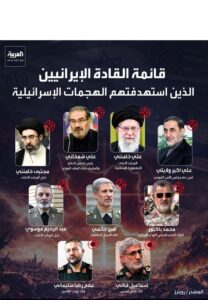
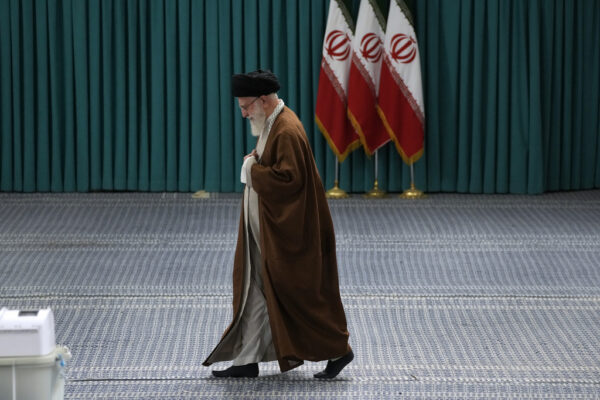
This decision follows a series of intelligence reports and dramatic shifts in the Iranian leadership structure, including the reported death of Supreme Leader Ayatollah Ali Khamenei.
As the central authority in Tehran faces unprecedented internal instability, Western intelligence agencies have expressed urgent concerns that Iran’s nuclear materials—specifically uranium enriched to 60% and 90% purity—could be transferred to non-state actors or moved to inaccessible “black sites” by hardline factions of the Islamic Revolutionary Guard Corps.
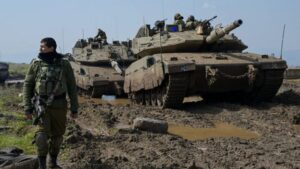
The operation, described as a preventative “counter-proliferation” mission, involves elite units from the U.S. Joint Special Operations Command and Israel’s Sayeret Matkal.
Military analysts indicate that the primary targets for these commando teams include the Fordow and Natanz enrichment facilities.
Both sites are heavily fortified and buried deep underground to withstand conventional aerial bombardment.
By deploying ground forces, the coalition intends to physically seize the material or render the processing equipment inoperable while ensuring that radioactive isotopes are not dispersed into the atmosphere.
To locate highly enriched uranium (HEU) buried deep within “mountain-fortress” sites like Fordow or Natanz, commandos would rely on a synthesis of specialized technology and human intelligence rather than simple floor plans.
Protecting commandos in such a high-stakes, deep-penetration mission requires a multi-layered defensive “bubble” that combines overwhelming airpower, electronic dominance, and rapid extraction contingencies.
Establishing “Air Supremacy”
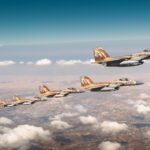
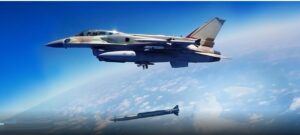
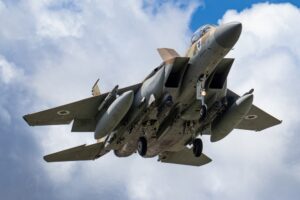
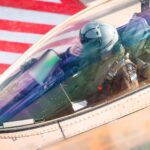
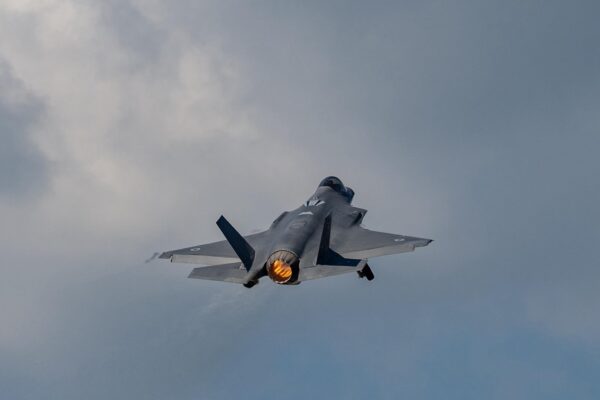
The primary protection for any ground team is the total suppression of the enemy’s ability to respond from the air. As of March 6, 2026, the IDF and U.S. forces have reportedly “effectively suppressed” Iranian air defenses, including Russian-made S-300 and S-400 systems. This allows F-35 Lightning II stealth fighters to maintain a constant “loitering” presence over the site to intercept any approaching Iranian ground reinforcements or aircraft. While commandos operate inside, U.S. B-2 bombers may be positioned to strike secondary exits or reinforce the site using GBU-57 Massive Ordnance Penetrators (MOP) if the team becomes pinned down by Iranian forces.
Electronic and Cyber Warfare
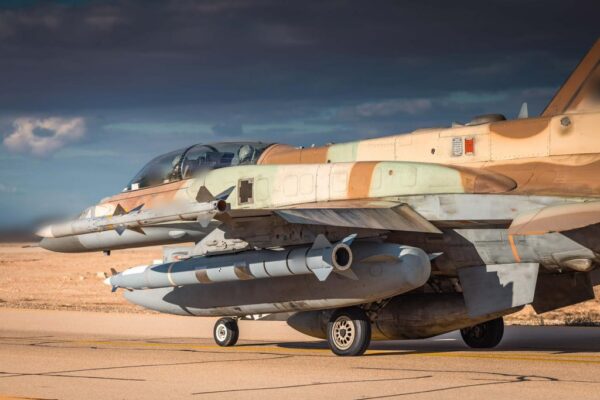
To protect the team from being detected or targeted by remote-controlled weapons, the coalition would employ a massive electronic shield. Advanced electronic warfare (EW) platforms, such as the EA-18G Growler, would blanket the region to jam Iranian military communications, preventing the IRGC from coordinating a counter-attack. Attackers often use local GPS denial to confuse Iranian drone operators and missile guidance systems, making it nearly impossible for the regime to target the specific commando insertion points.
Rapid Extraction and QRF (Quick Reaction Force)
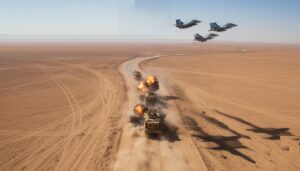
The most vulnerable moment for commandos is the “exfiltration” phase when they are carrying heavy, hazardous materials. The USS Abraham Lincoln and USS Gerald R. Ford carrier strike groups are currently positioned in the region to provide immediate aerial support and medevac capabilities. Elite Quick Reaction Forces are typically kept on high alert in neighboring countries or on stealth transport aircraft (like the CV-22 Osprey) to reach the commandos within minutes if the mission goes “hot.”