
Compared with the rest of the world, Israel is moving with unusual speed.
By Hezy Laing
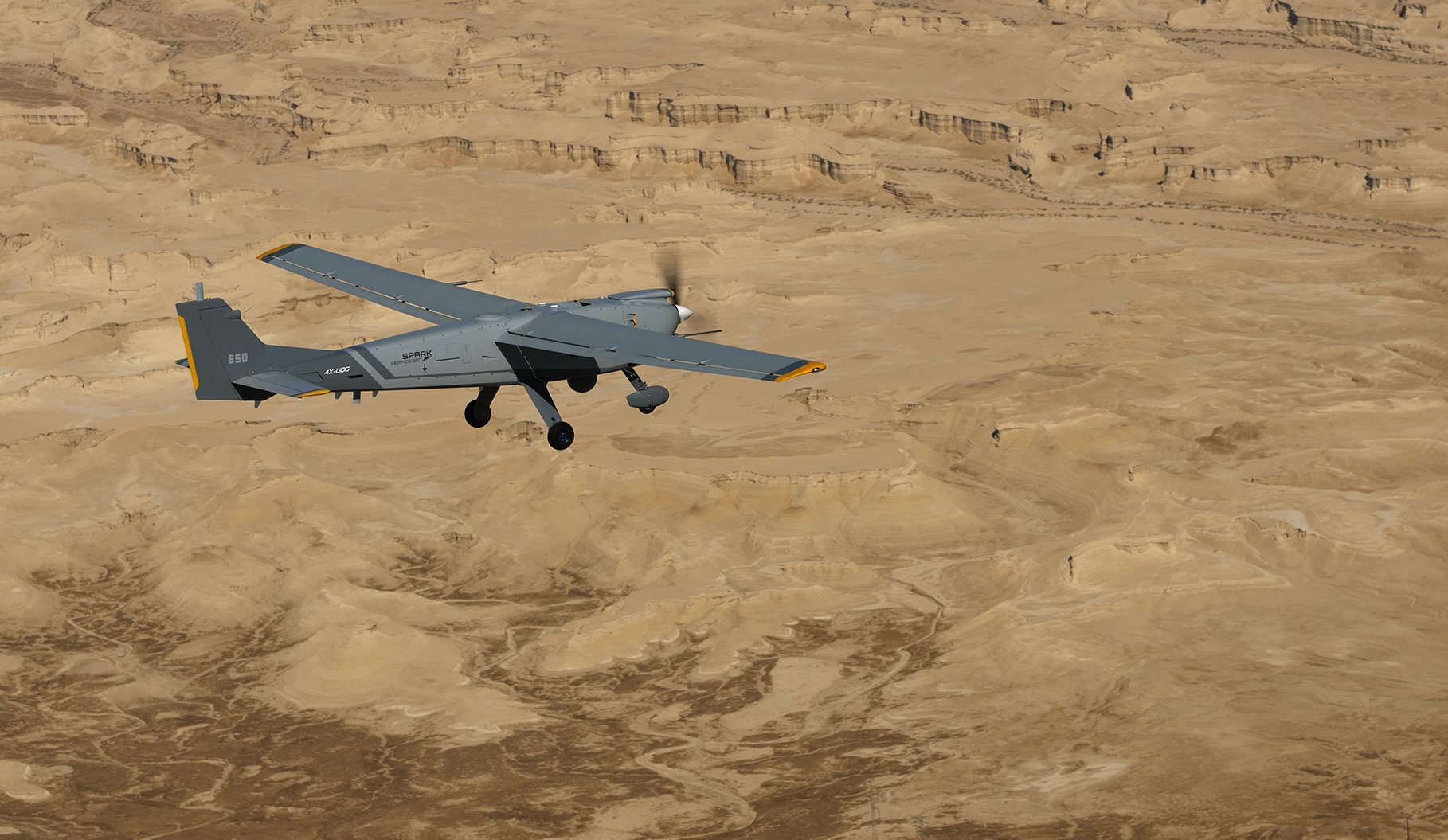
Israel’s defense sector is moving aggressively into hydrogen‑powered aviation, and several companies are now racing to build long‑distance drones capable of flying far longer and carrying heavier payloads than today’s battery‑based UAVs.
The push is led by firms such as HevenDrones, which recently unveiled an operational hydrogen drone with a flight time of up to four hours and a payload capacity of 10–15 kilograms, a major leap beyond the 30–40 minutes typical of battery‑powered systems.
Elbit Systems is developing larger hydrogen platforms aimed at endurance missions exceeding 1,000 kilometers, positioning these drones for strategic reconnaissance and long‑range maritime patrols.
Smaller innovators like H2FlyTech and Urban Aeronautics are experimenting with hydrogen fuel‑cell propulsion that could outperform lithium‑ion batteries by a factor of three to five in endurance, giving Israel a technological edge in both military and civilian applications.
The need for these drones is driven by Israel’s expanding operational environment.
Surveillance missions over the Mediterranean, the Red Sea, and even the Persian Gulf require aircraft that can remain airborne for many hours without refueling, something current UAVs struggle to achieve.
Hydrogen systems offer a solution: they are quieter, produce minimal heat signatures, and can operate in contested airspace with reduced detectability, making them ideal for intelligence gathering and covert operations.
In logistics, hydrogen drones could deliver medical supplies or ammunition to remote outposts, carrying loads across 100–200 kilometer distances without relying on runways or charging stations.
In civilian contexts, they could support emergency response, delivering equipment to disaster zones or isolated communities with unprecedented efficiency.
The timeline for deployment is accelerating.
HevenDrones expects its hydrogen platforms to enter commercial service in 2026, with military integration following soon after.
Elbit Systems has indicated that its long‑range hydrogen UAV prototypes will undergo field testing within the next two to three years, potentially making Israel one of the first countries to operationalize hydrogen‑powered military drones.
Compared with the rest of the world, Israel is moving with unusual speed.
The United States, Japan, and South Korea are investing heavily in hydrogen aviation, but their programs are tied to large commercial aircraft and face long certification cycles.
China has demonstrated hydrogen drones with roughly one hour of endurance, but details remain opaque, and European efforts remain fragmented.
Israel’s advantage lies in its tight integration between military needs, private‑sector innovation, and rapid testing environments, allowing companies to iterate quickly and deploy practical systems long before larger nations complete their regulatory processes.