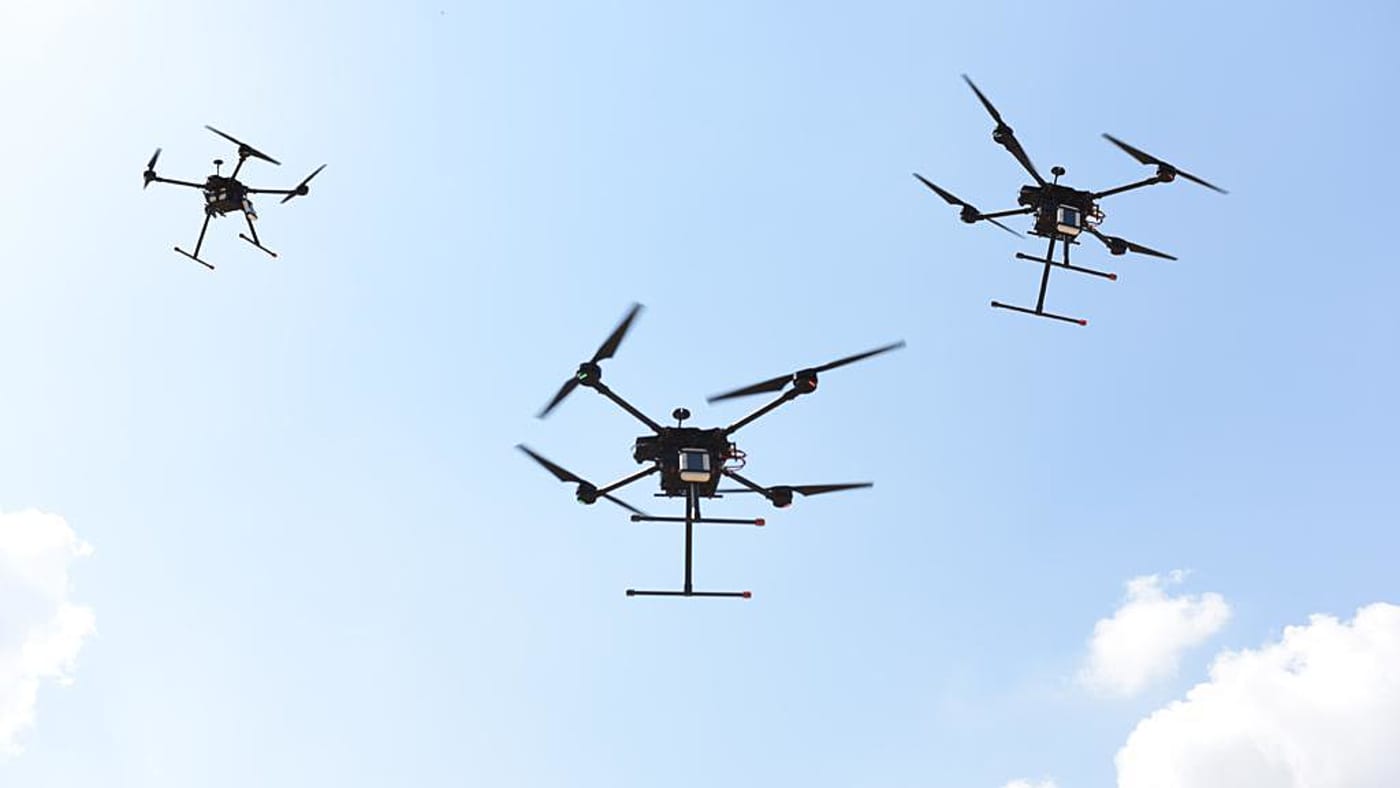
Five Drones, One Mission – The IDF’s new collaborative drone squads
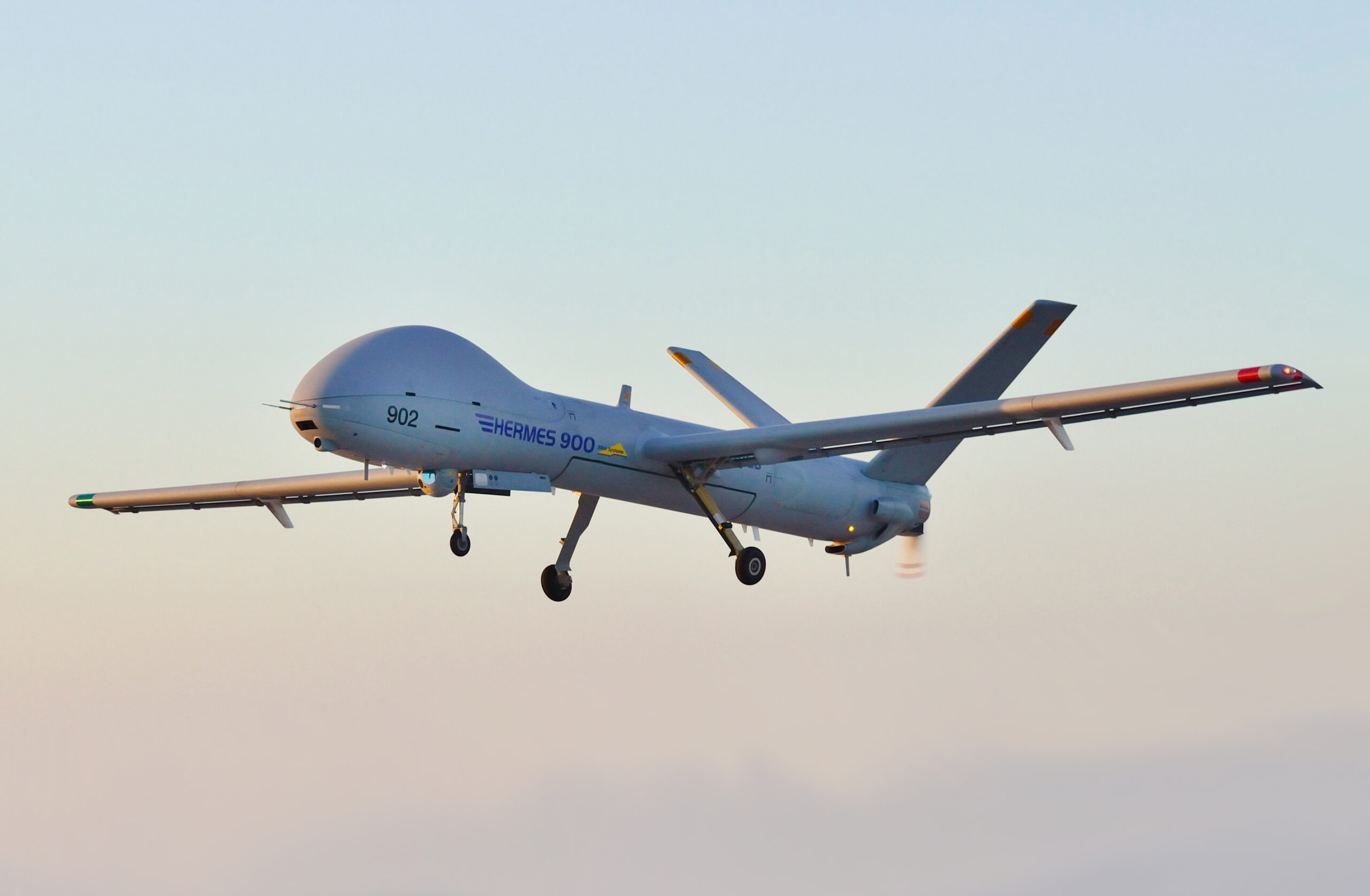
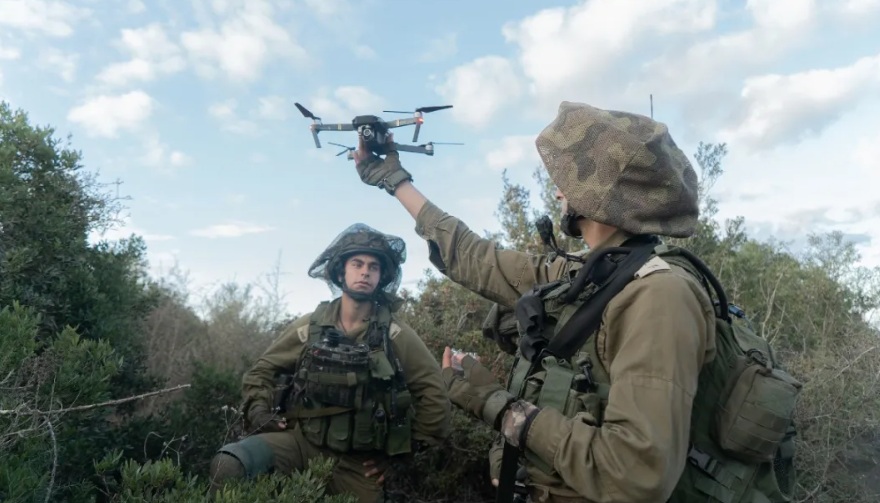
Traditionally, the IDF relied on single drones or small units operating independently, but this limited flexibility.


Traditionally, the IDF relied on single drones or small units operating independently, but this limited flexibility.
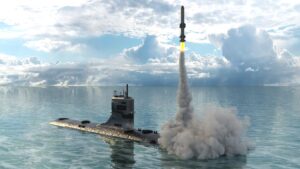
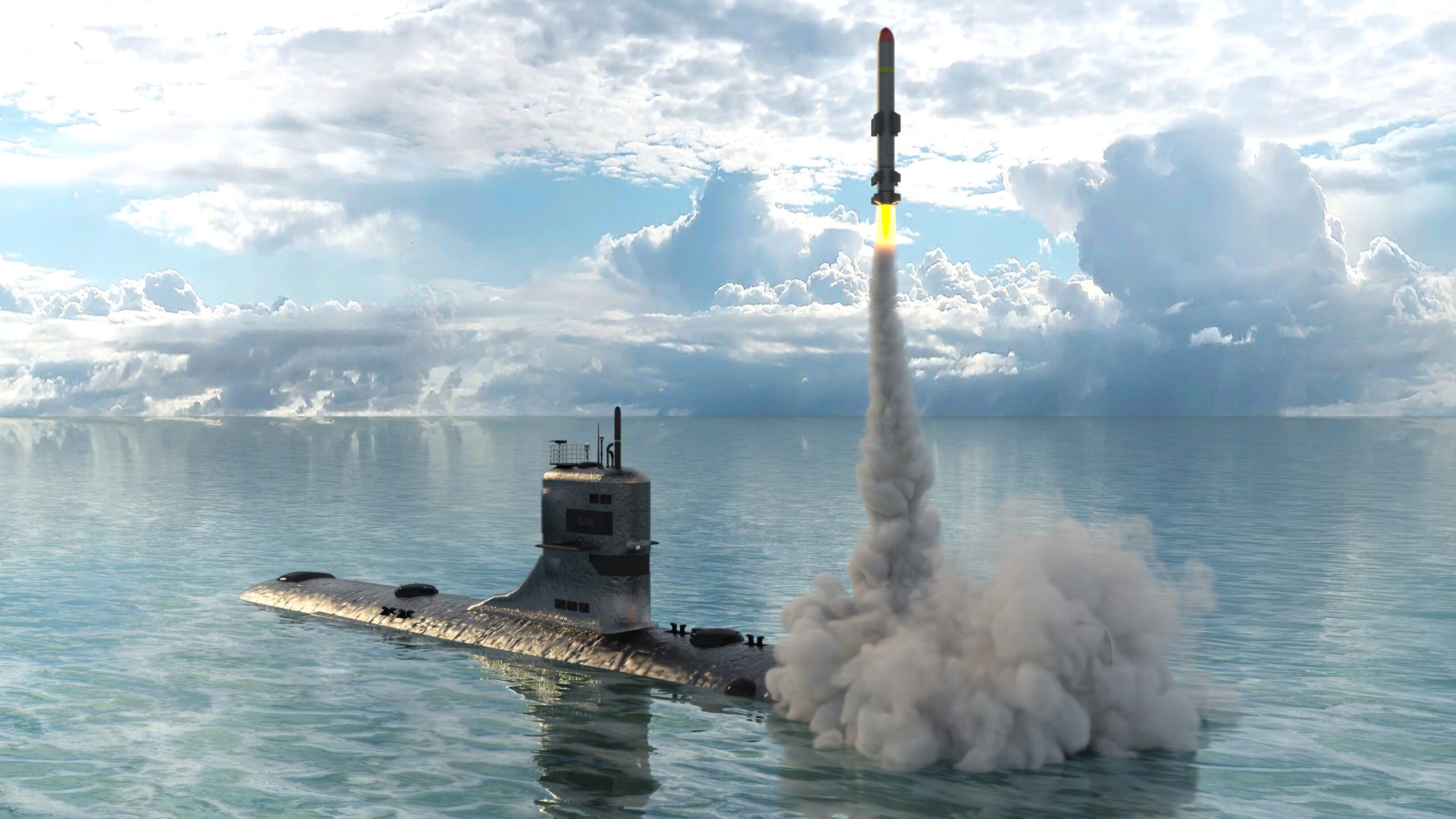
Israel’s ability to launch a revenge strike from beneath the sea ensures that no enemy can gamble on a successful first strike.
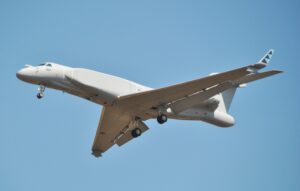
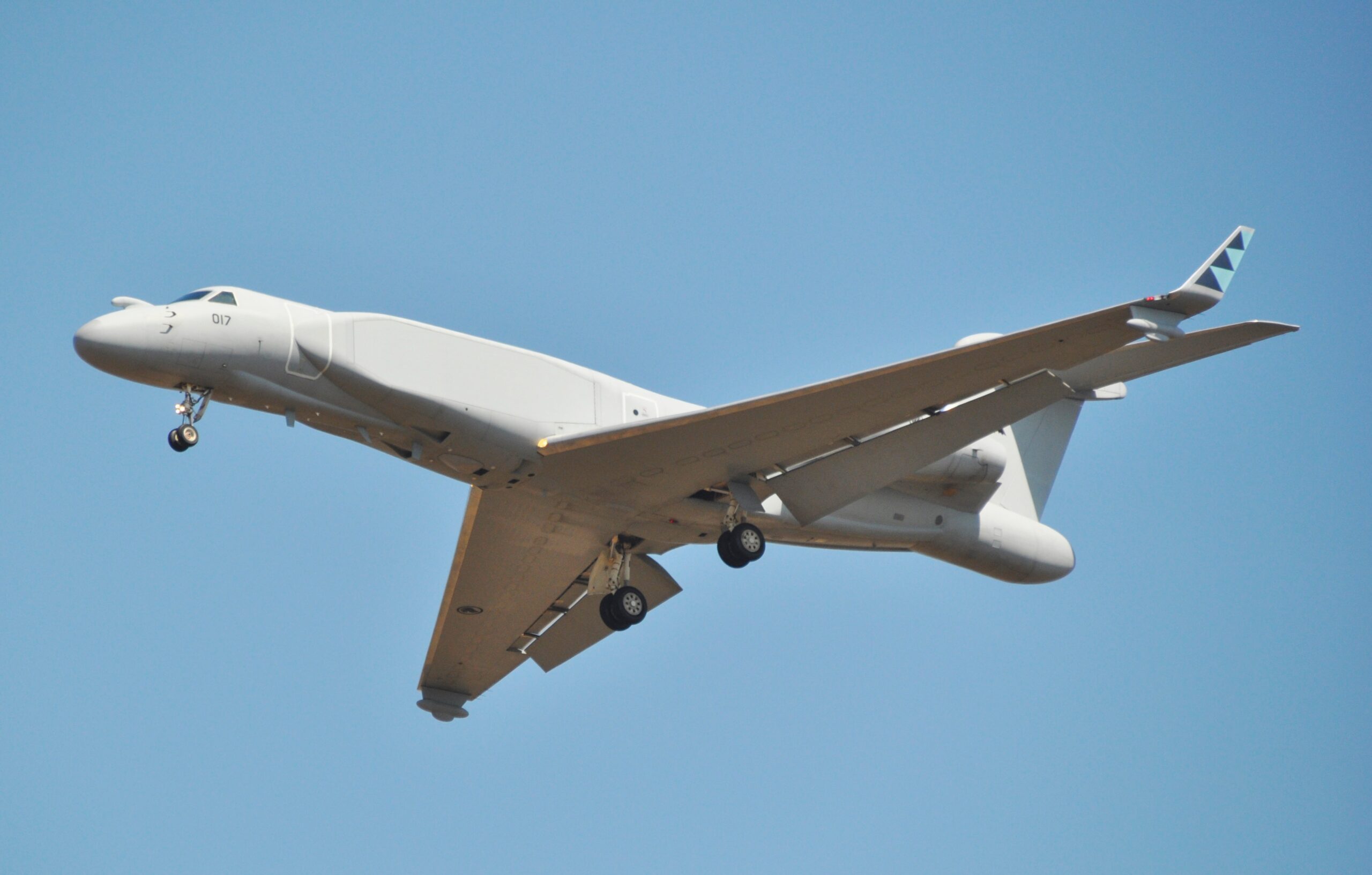
Surrounded by enemy’s Israel has invested heavily in early warning systems to detect attacks before they materialize.

In recent years, Europe has faced a surge in unauthorized drone activity, forcing governments to seek advanced solutions.
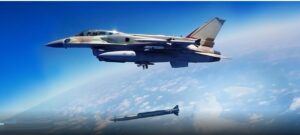
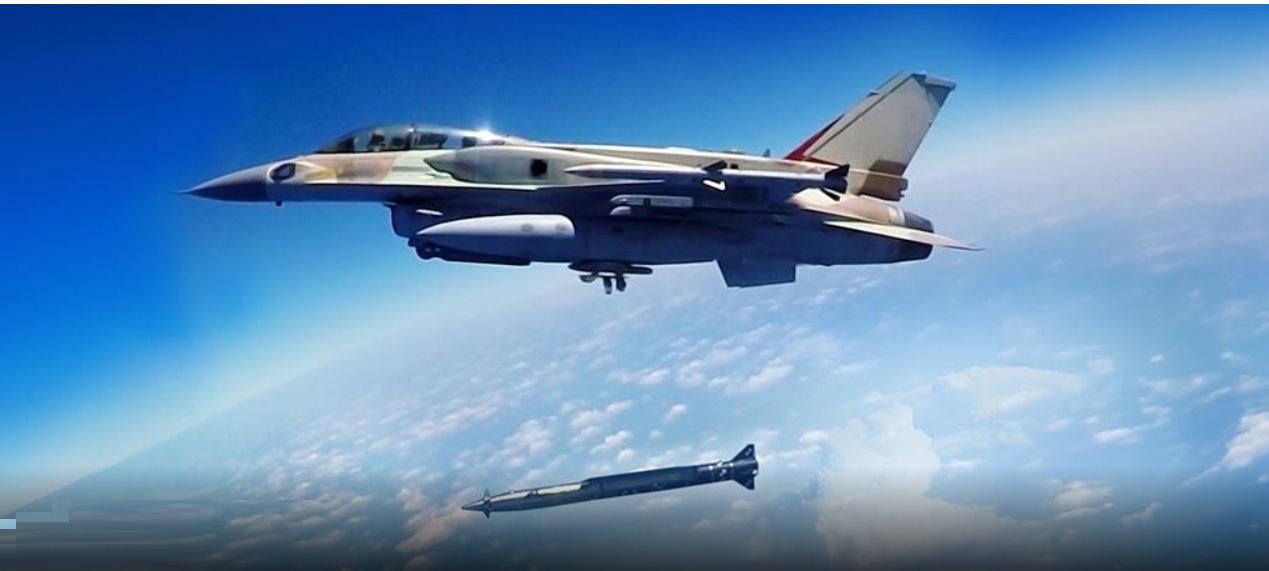
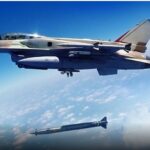
Unlike traditional cruise missiles, Rampage is lighter, faster, and cheaper, yet still offers deep strike precision.
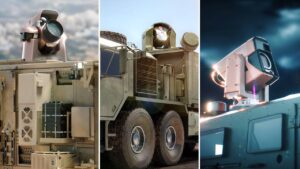
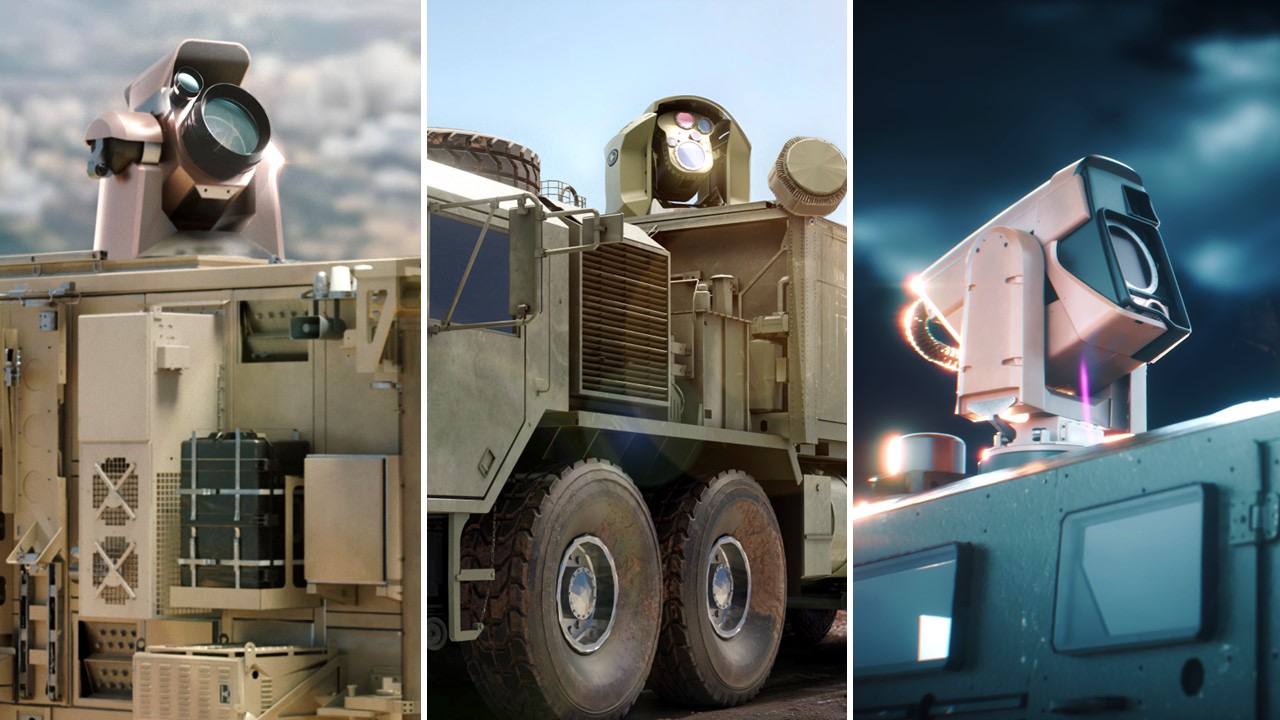
The USA, Russia, China, and several European nations have all attempted to develop high-energy laser weapons, but failed.
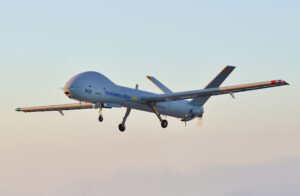
The IDF is widely recognized as having one of the most extensive and sophisticated drone arsenals in the world.
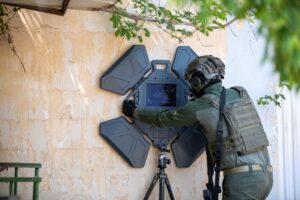
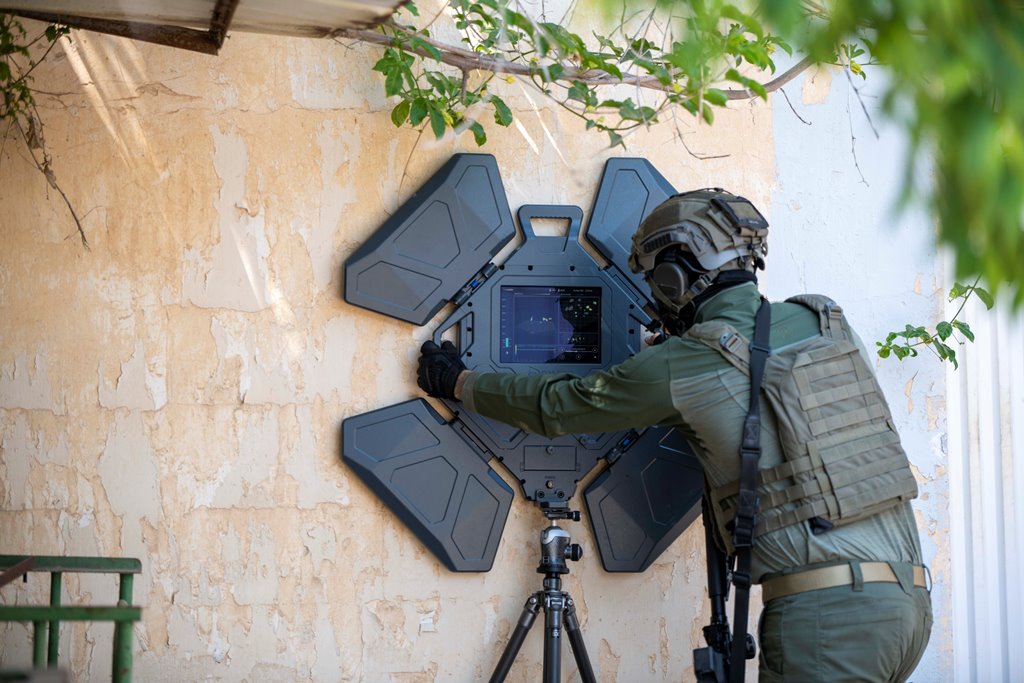
Traditional surveillance tools fail to penetrate walls, leaving forces blind in critical scenarios.
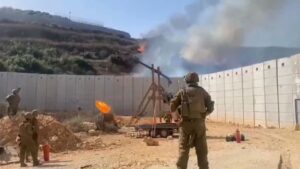
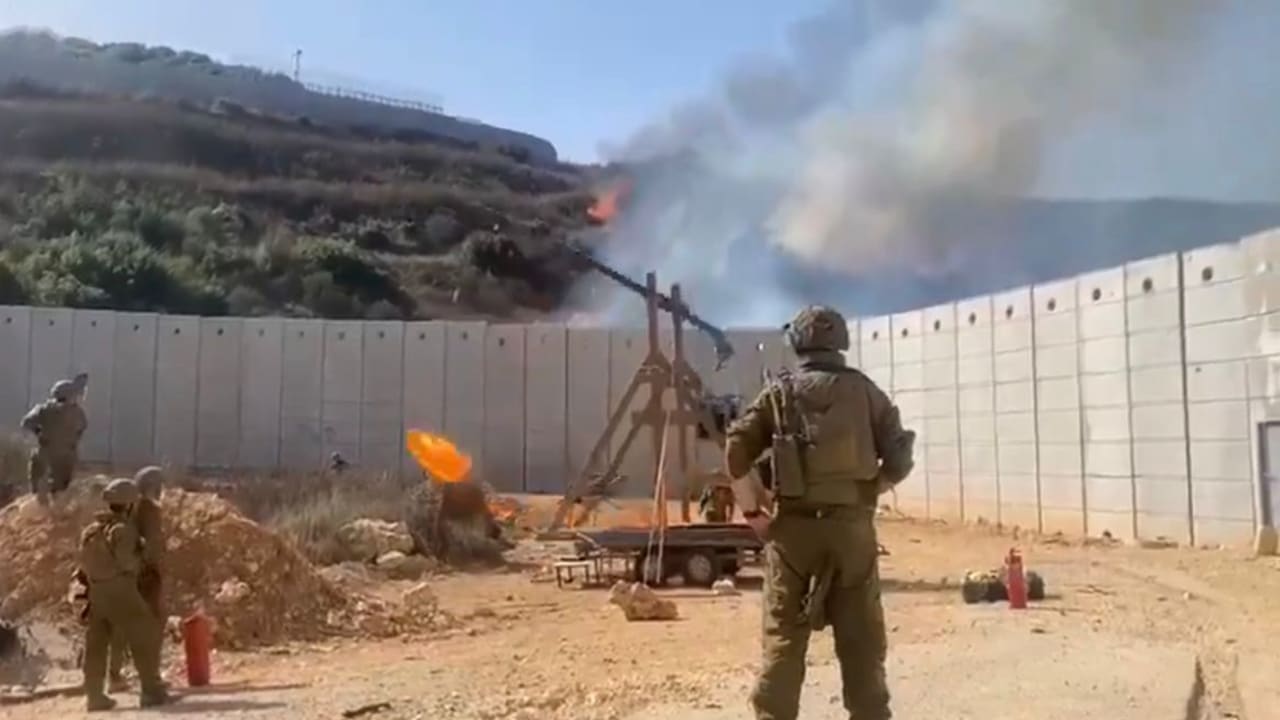
The trebuchet’s use was symbolic of adaptive warfare, where ancient tools find relevance in modern conflicts.
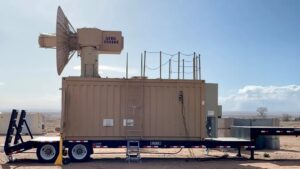
Unlike lasers, which require precise targeting and line-of-sight, microwaves can simultaneously neutralize many targets, over a wide area.

Instead of identifying 50 terrorists a month – the IDF can now identify a hundred a day.
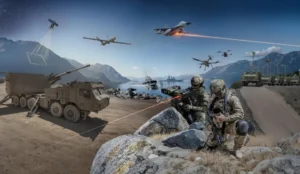
Israeli arms exports hit a record $14.8 billion in 2024, with a whopping 54% of those exports going to European countries.
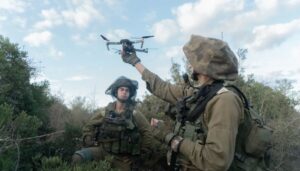
An Israeli reconnaissance micro-drone played a key role in locating and eliminating Hamas leader Yahya Sinwar.

This method reflects a highly sophisticated level of signal intelligence and targeting capability.

This groundbreaking development marks a significant leap in battlefield technology, blending aerial mobility with direct firepower.
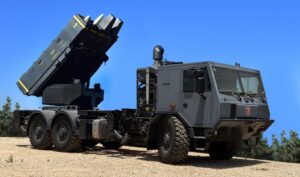
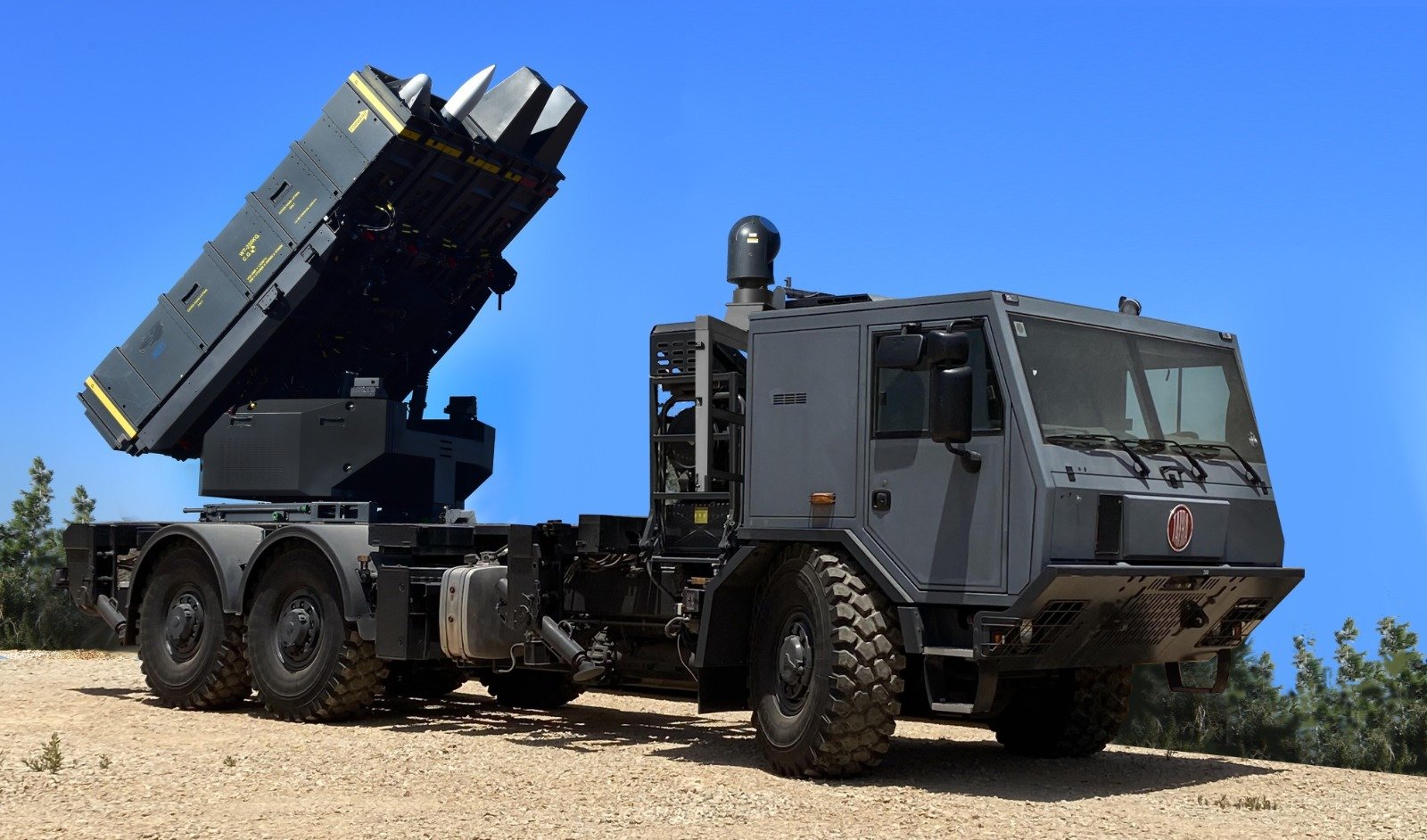
SPYDER’s popularity stems from its balance of cost-effectiveness, combat-proven reliability, and adaptability.
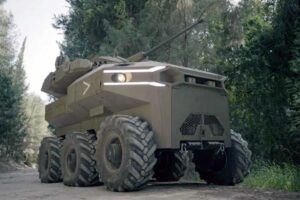
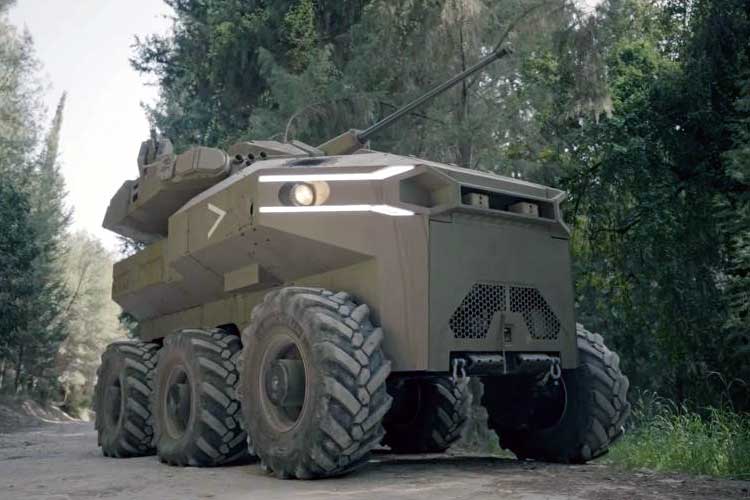
Military experts highlight the ROBUST’s agility, survivability, and ability to reduce soldier exposure in high-risk zones.
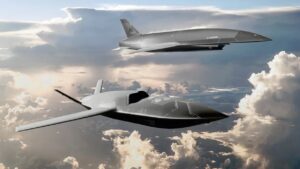
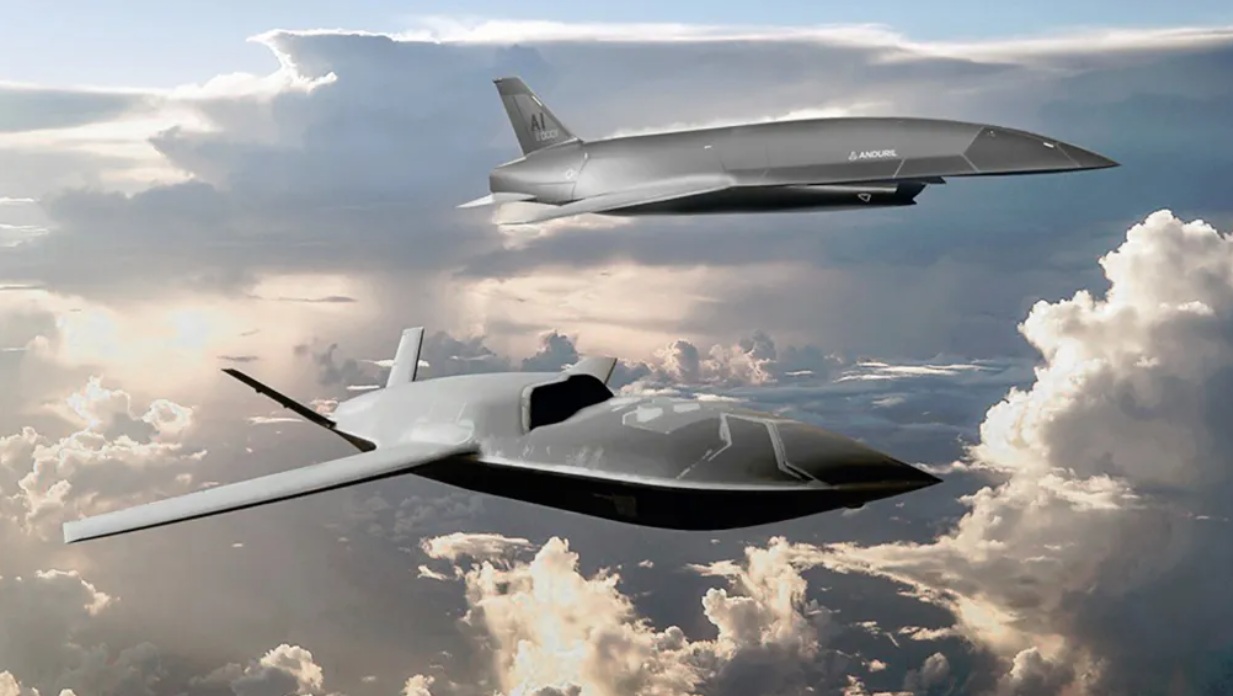
The YFQ-44 is expected to enter limited operational trials by late 2026, with full deployment targeted for 2028.
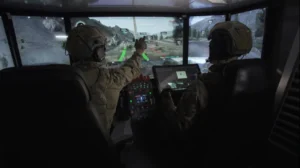
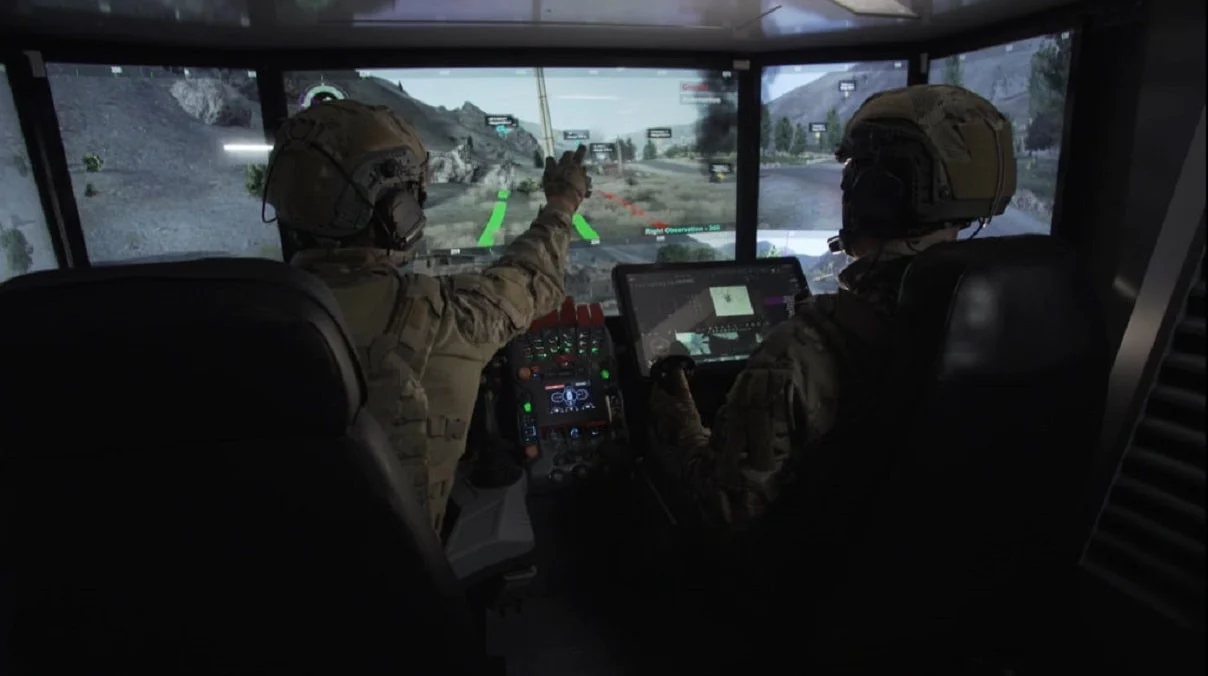
A significant departure from traditional training methods, which relied heavily on live-fire drills and classroom instruction.
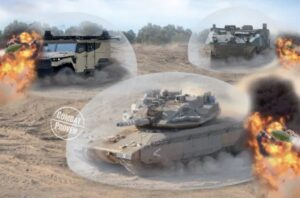
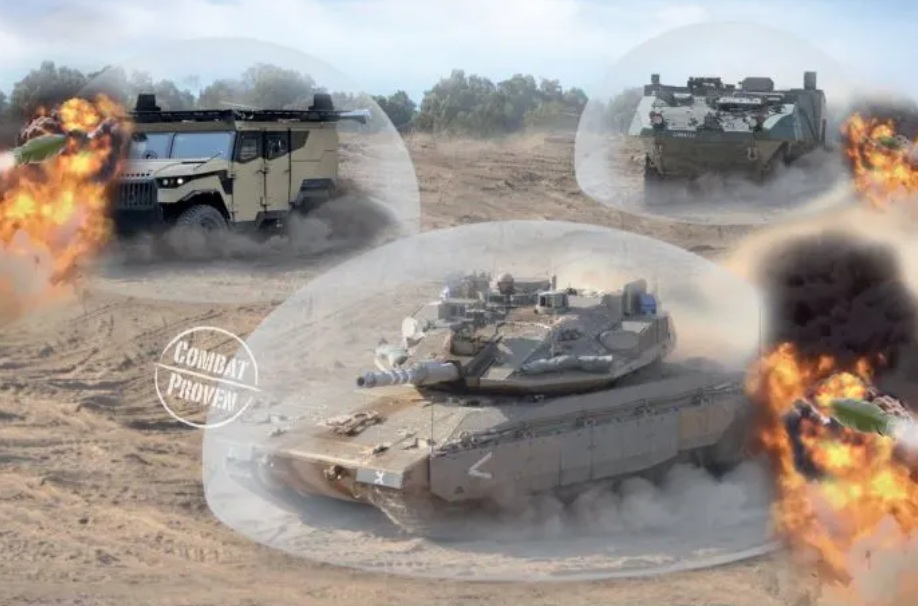
The system is capable of intercepting rocket-propelled grenades (RPGs) and anti-tank guided missiles (ATGMs) mid-flight.