
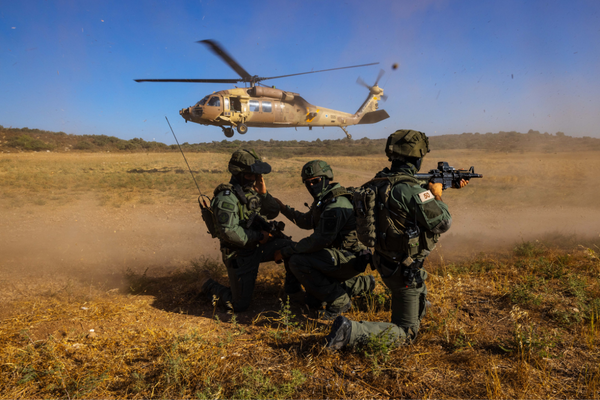
A combined team of U.S. special operations personnel and Israel’s elite Unit 669 launched aboard helicopters flying under heavy electronic‑warfare cover designed to disrupt Iranian radar and communications.
By Hezy Laing
Israeli and American special operations forces carried out a high‑risk joint mission deep inside Iran to rescue a downed U.S. pilot, in what officials described as one of the most delicate operations of the war.
The pilot was forced to eject during a long‑range mission over western Iran and landed in a remote area where Iranian security forces were already mobilizing.
Within minutes, U.S. Central Command and the Israeli Air Force activated a rescue plan that had been quietly rehearsed for months but never executed under real combat conditions.
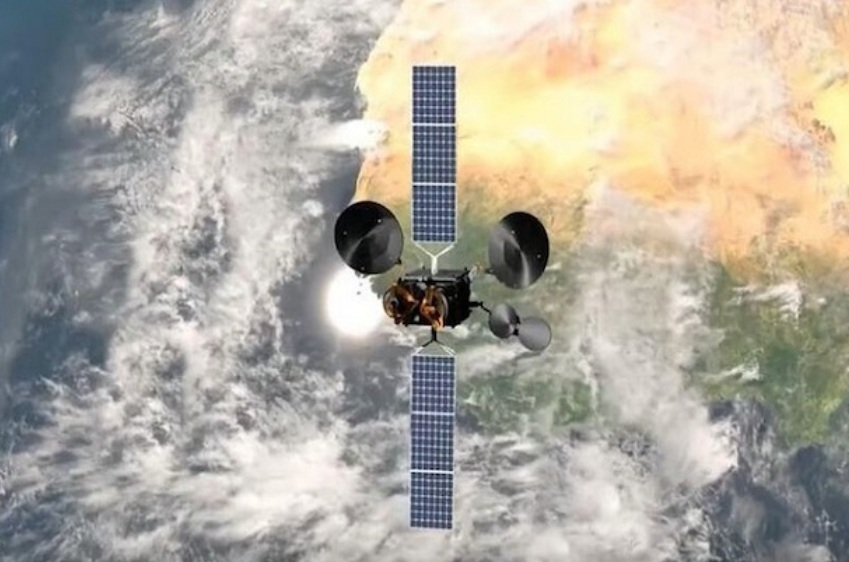
Intelligence teams from both countries began tracking Iranian patrols using satellite imagery, airborne sensors, and electronic intercepts to pinpoint the pilot’s location.
Commanders concluded that the rescue had to take place before sunrise, when Iranian drones and additional ground units would make the area far more dangerous.
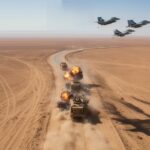
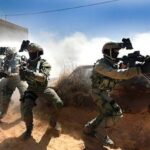
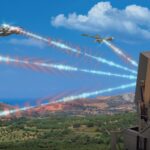
A combined team of U.S. special operations personnel and Israel’s elite Unit 669 launched aboard helicopters flying under heavy electronic‑warfare cover designed to disrupt Iranian radar and communications.
As the aircraft approached the landing zone, the crews were forced to divert several kilometers due to Iranian troop movements, continuing the approach on foot through rugged terrain.
They found the pilot hiding in a dry ravine, exhausted but uninjured, and immediately began the extraction phase while monitoring Iranian forces closing in from multiple directions.
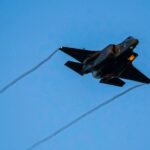
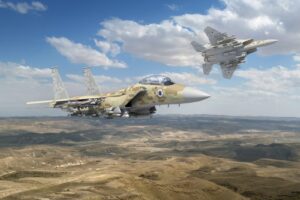
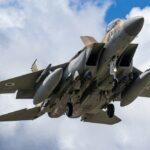
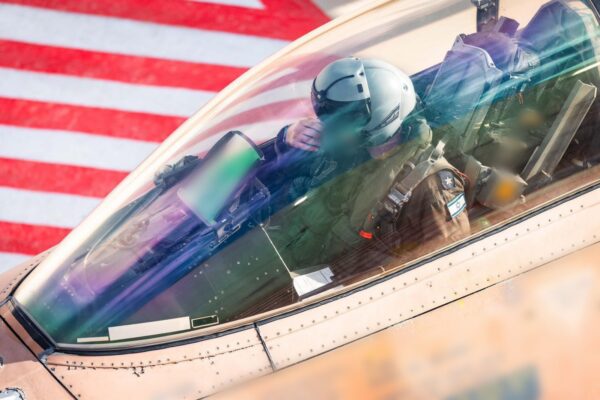
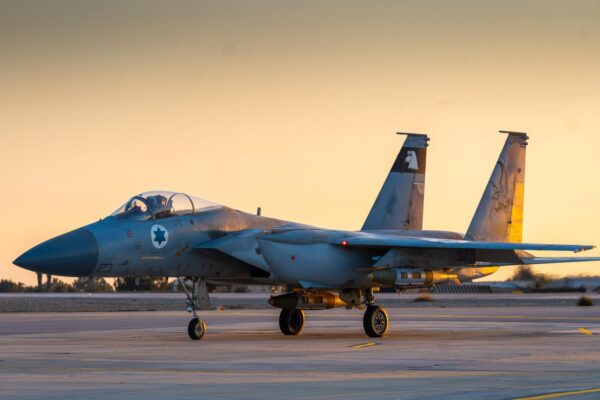
A second wave of helicopters flew in at low altitude to avoid detection, supported by Israeli fighter jets positioned just outside Iranian airspace to deter interception.
The rescue team and the pilot boarded quickly, lifting off only moments before Iranian units reached the area.
Electronic‑warfare aircraft masked the outbound flight path, allowing the helicopters to exit Iranian territory without engagement.
The entire mission lasted only a few hours but demonstrated the depth of U.S.–Israeli military cooperation and their shared commitment to recovering personnel under the most challenging conditions.
According to a joint statement released by U.S. Central Command and the Israeli Ministry of Defense, the operation succeeded because of “rapid intelligence fusion, seamless coordination, and the exceptional professionalism of the rescue teams,” a description that underscored both the strategic importance of the mission and the risks taken to bring the pilot home safely.