Israel developing airborne laser capable of downing jet fighters
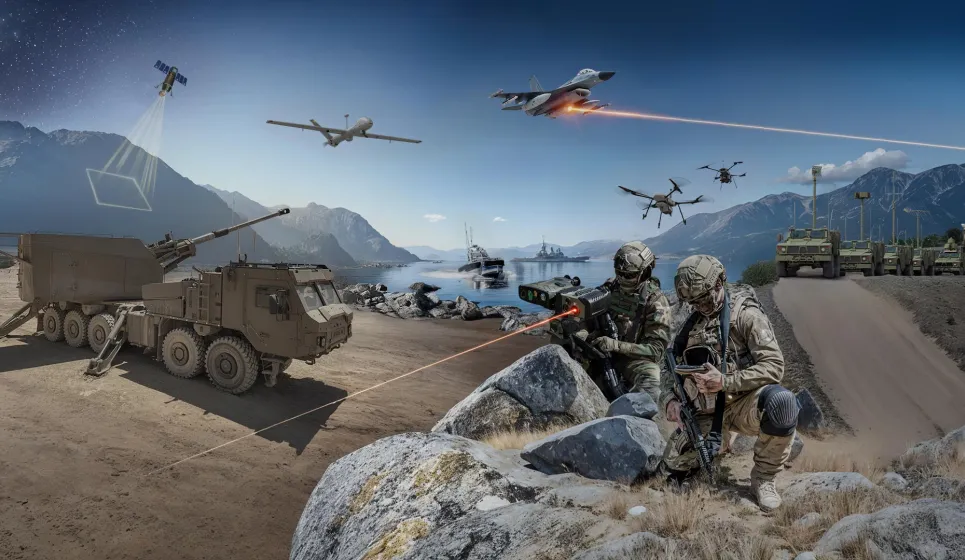
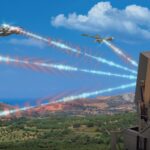
Defense officials have confirmed that it will be mounted on aircraft to intercept drones, missiles, and potentially jet fighters.


Defense officials have confirmed that it will be mounted on aircraft to intercept drones, missiles, and potentially jet fighters.
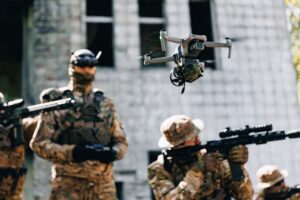
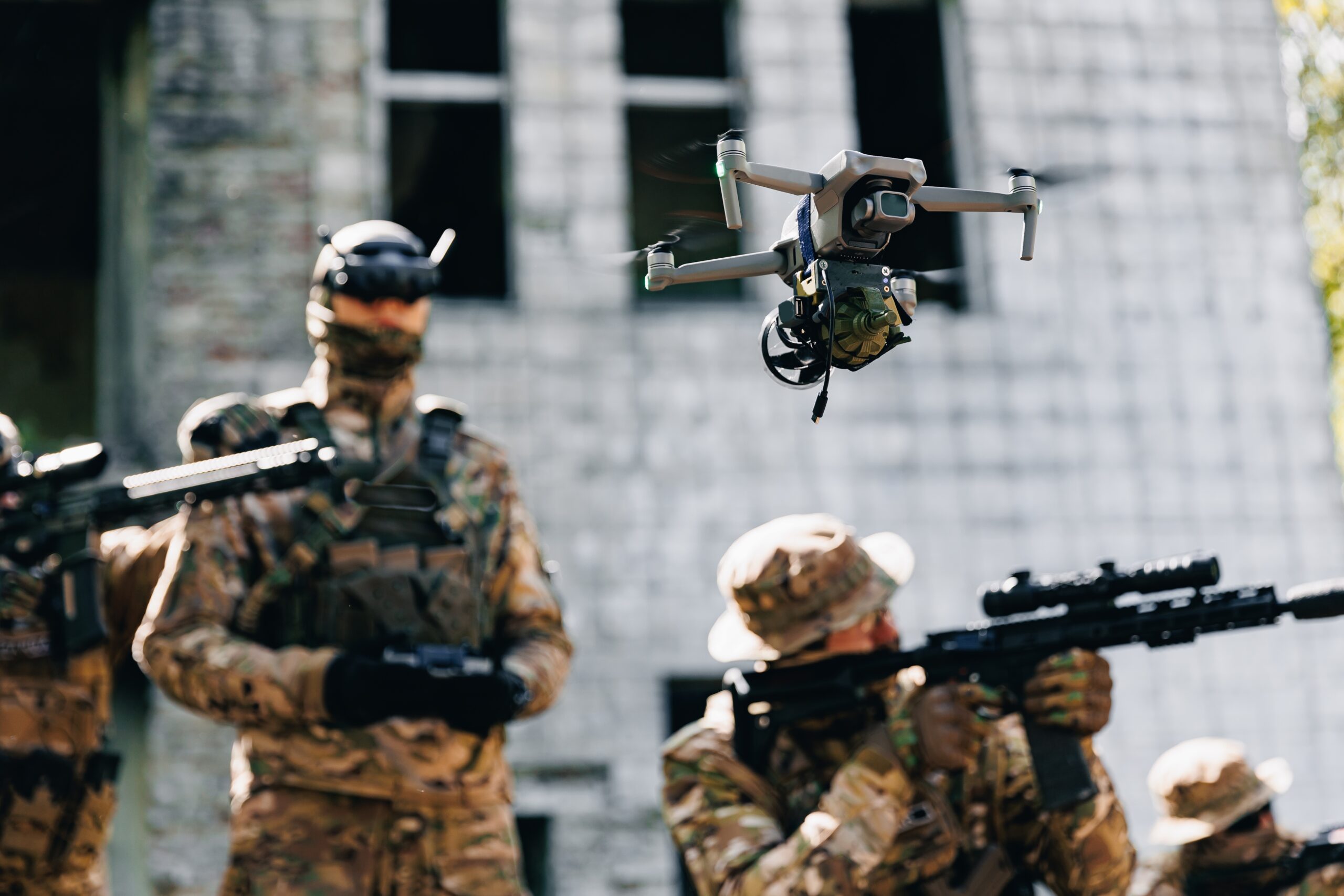
The IDF employs electronic countermeasures to jam enemy drone signals.
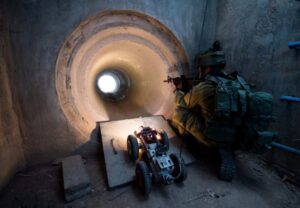
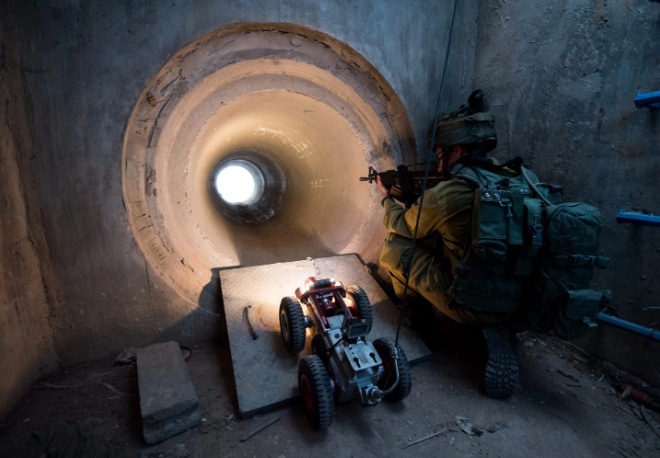
Platoons have used drones equipped with laser scanners to create 3D models of tunnel networks.
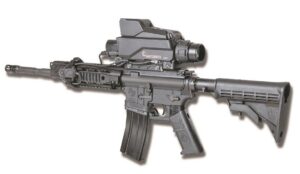
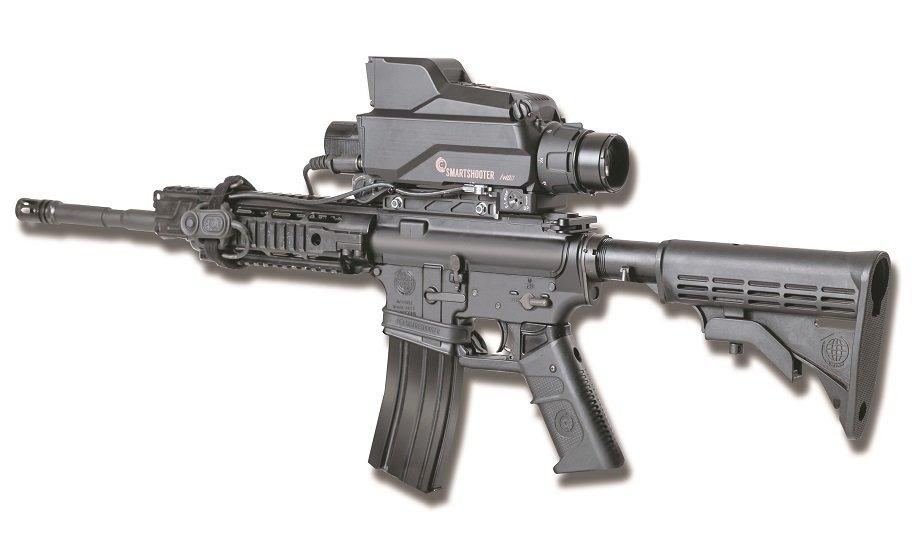
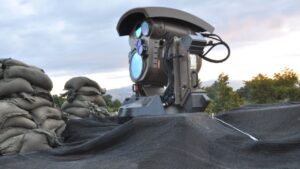
Widely regarded as a leader in fire accuracy systems SMASH 3000 is setting the standard for handheld targeting in modern warfare.
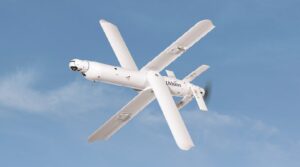
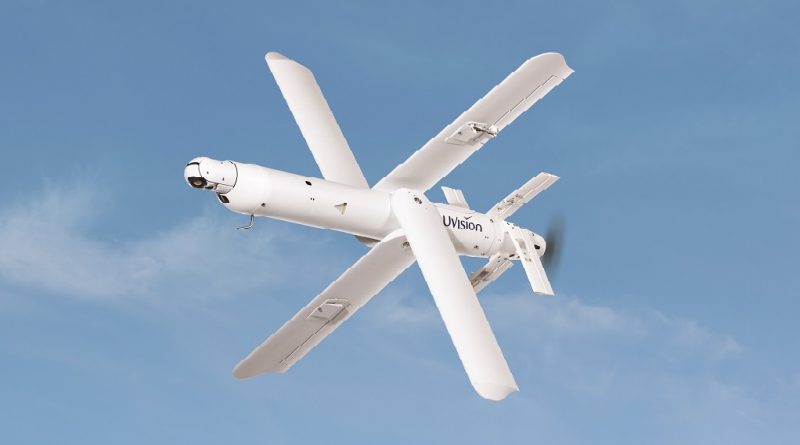
The first operational loitering munitions were introduced in the 1990s, by Israel Aerospace Industries (IAI).
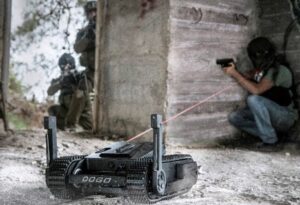
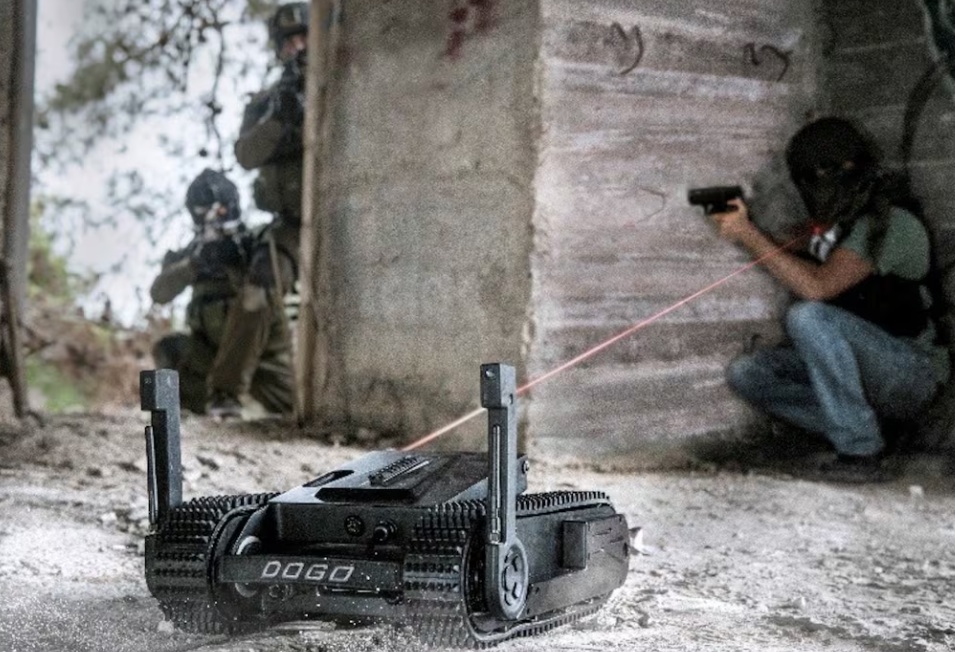
The IDF has leaned heavily on this technology to reduce soldier exposure, enhance precision, and maintain real-time situational awareness.
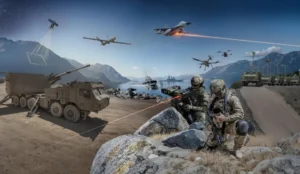
The war in Gaza has paradoxically boosted Israel’s defense industry, acting as a powerful marketing tool for its military technology.
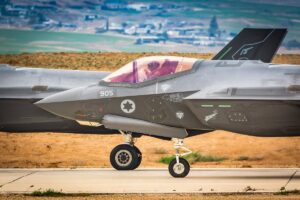
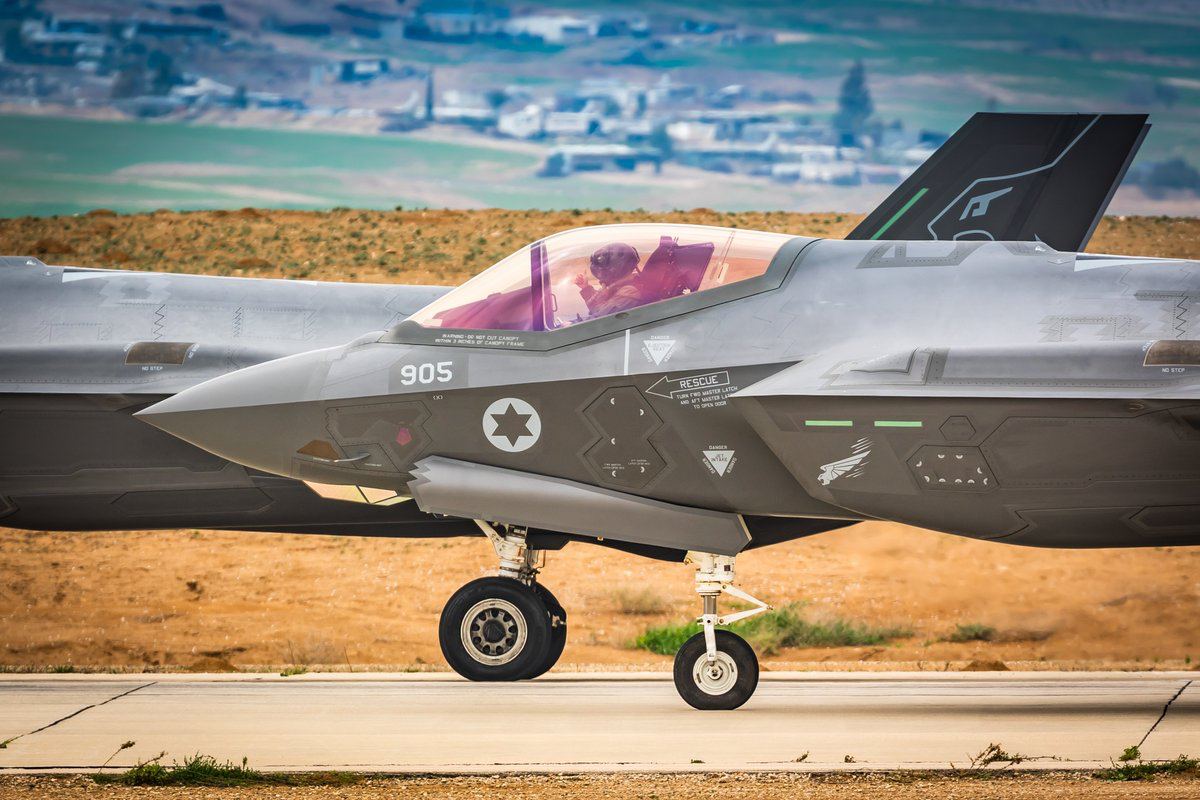
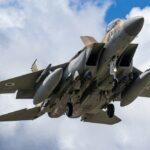
Israel is the only country outside the U.S. allowed to modify and maintain its F-35s independently.

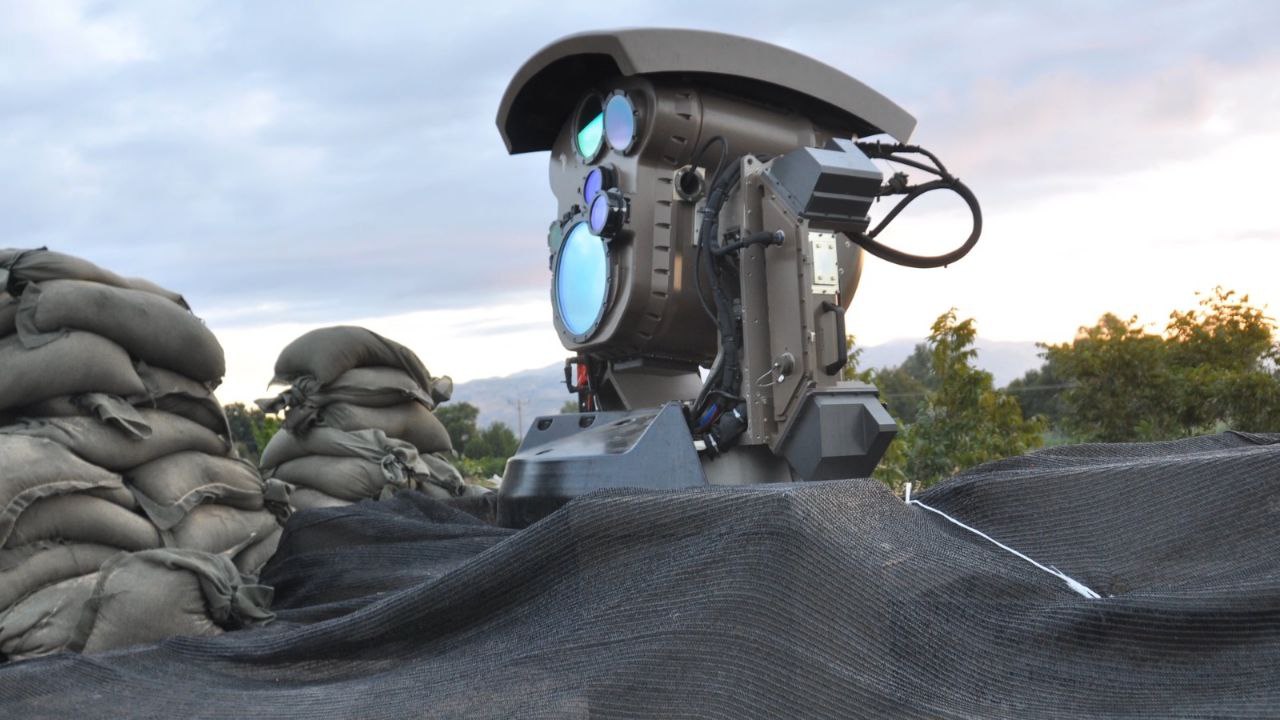
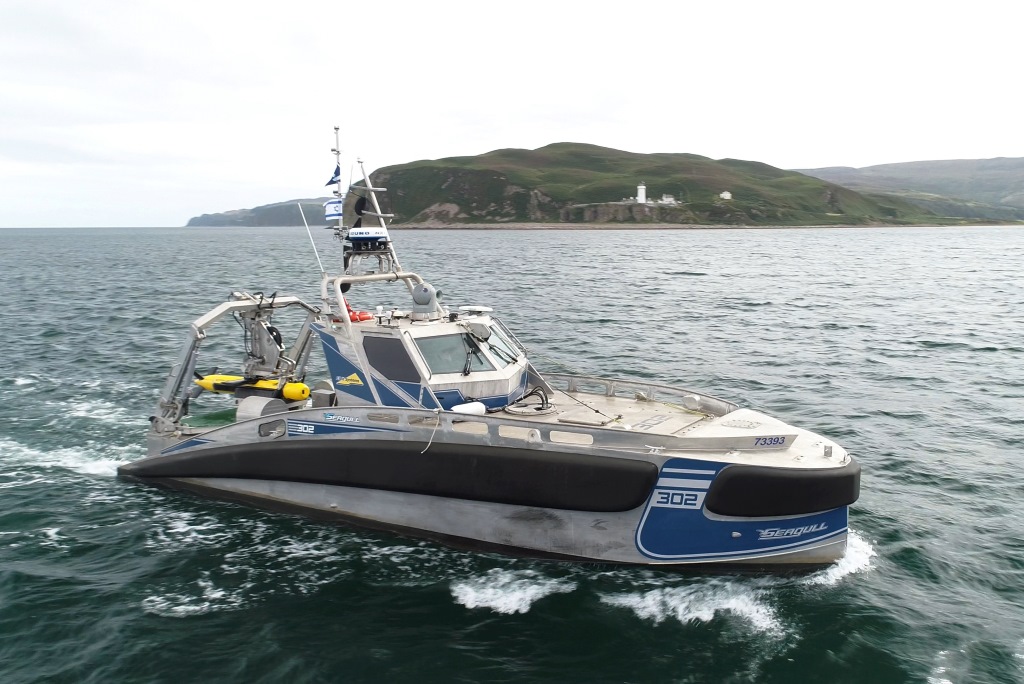
They’re particularly effective in identifying suspicious movements, tracking vessels, and securing maritime borders against infiltration.
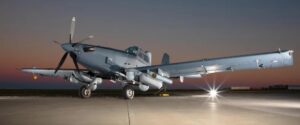
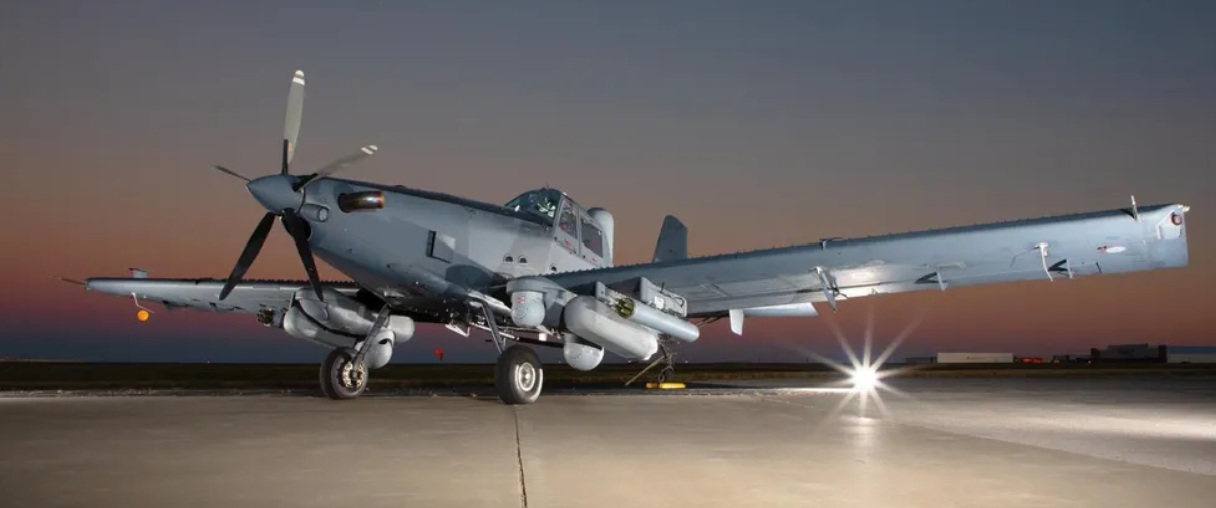
It fills a vital niche between drones and jet fighters, offering a balanced solution for modern asymmetric warfare.

The Israeli Navy operates a compact fleet centered on Sa’ar 6 and Sa’ar 5 corvettes, advanced missile boats and Dolphin-class submarines believed to provide second-strike capability.

The system is designed to handle saturation attacks that would overwhelm traditional missile-based defenses.
Iron Beam and related technologies will make many of these drones unusable, which will prompt militaries to find new ways to attack their enemies.
Israel’s defense industry exports have surged from $2 billion to $15 billion in last 25 years.

Israel has launched a new Munitions Directorate, tasked with reducing dependence on foreign suppliers and expanding domestic production.

Israel and India signed a weapons deal worth over $1.6 billion for Barak 8 missile systems.
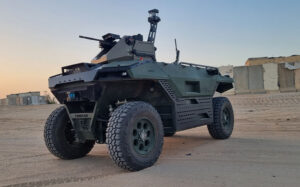
It costs $150,000 to $250,000 USD, depending on configuration.

Greece is the first country to buy it and Germany is next in line.
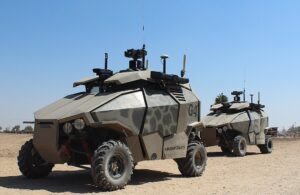
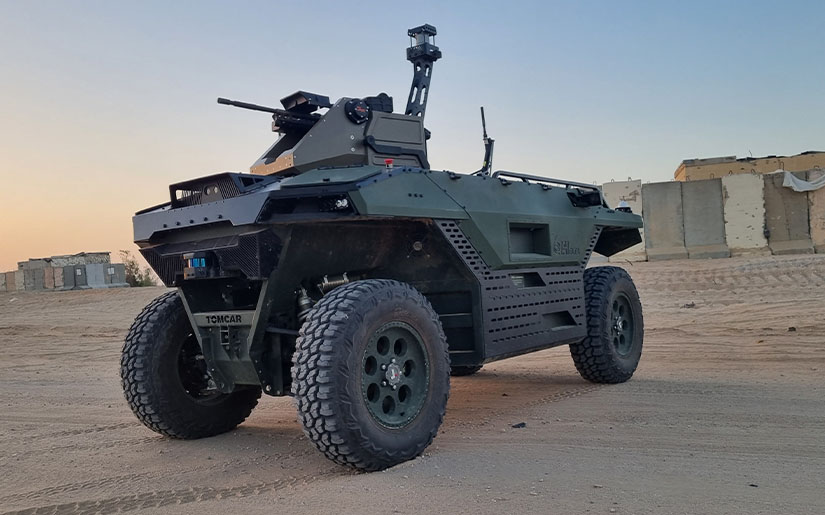
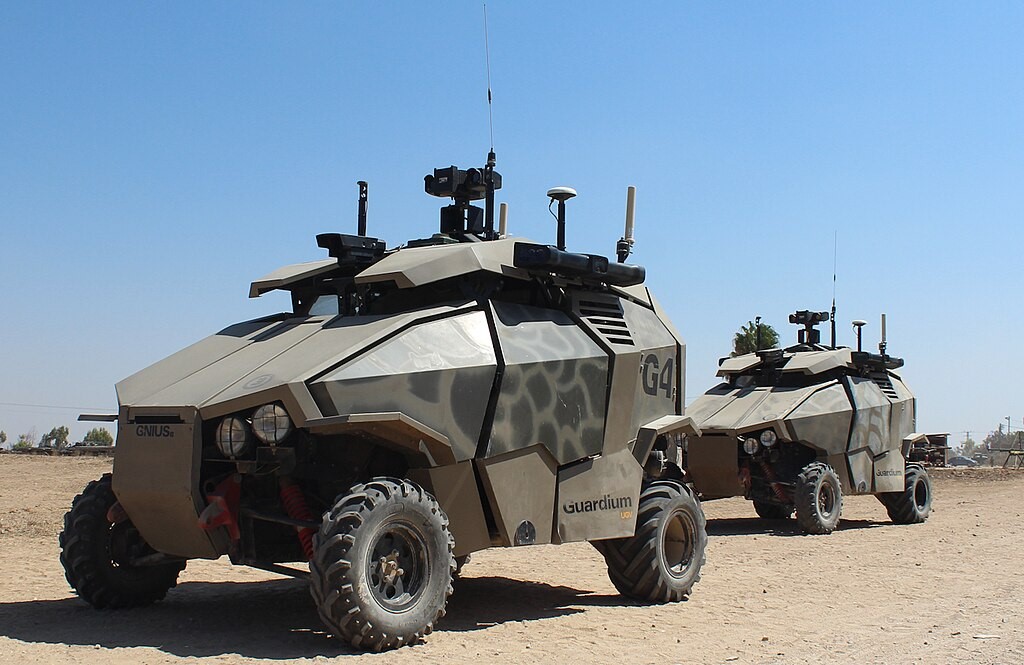
Though primarily used for reconnaissance, Guardium can be fitted with a Remotely Operated Weapon System (ROWS).

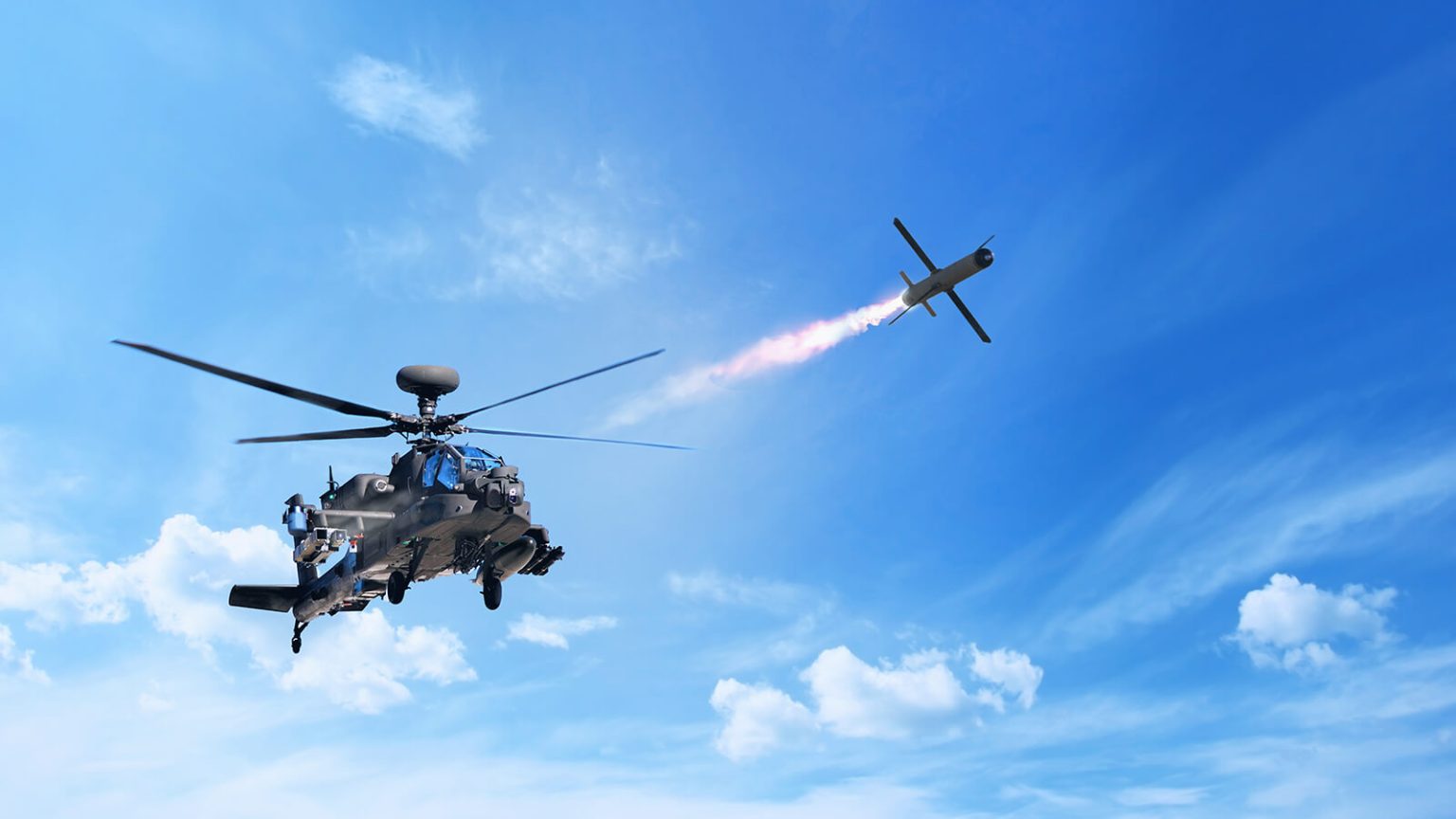
An incredible 50,000 Spike missiles sold to date.